Outside the Gallery
Japan
2002–2012
There is a version of an artist's career that moves in a straight line: exhibition to exhibition, gallery to institution, each show building on the last, the record accumulating neatly into a chronology. Cooley's practice has never worked that way, and the decade between 2002 and 2012 is where that fact becomes most visible, or rather, most deliberately invisible.
The Tokyo Metropolitan Museum of Modern Art had been a significant occasion. It was also, in its way, a clarifying one. What it clarified was the kind of artist Cooley had no interest in becoming. The institutional world had its own logic, its own appetite for a certain kind of work presented in a certain kind of way, and that logic pointed in a direction he chose not to follow. What followed instead was not a retreat but a redirection so complete it left almost no formal record, which was entirely the point.
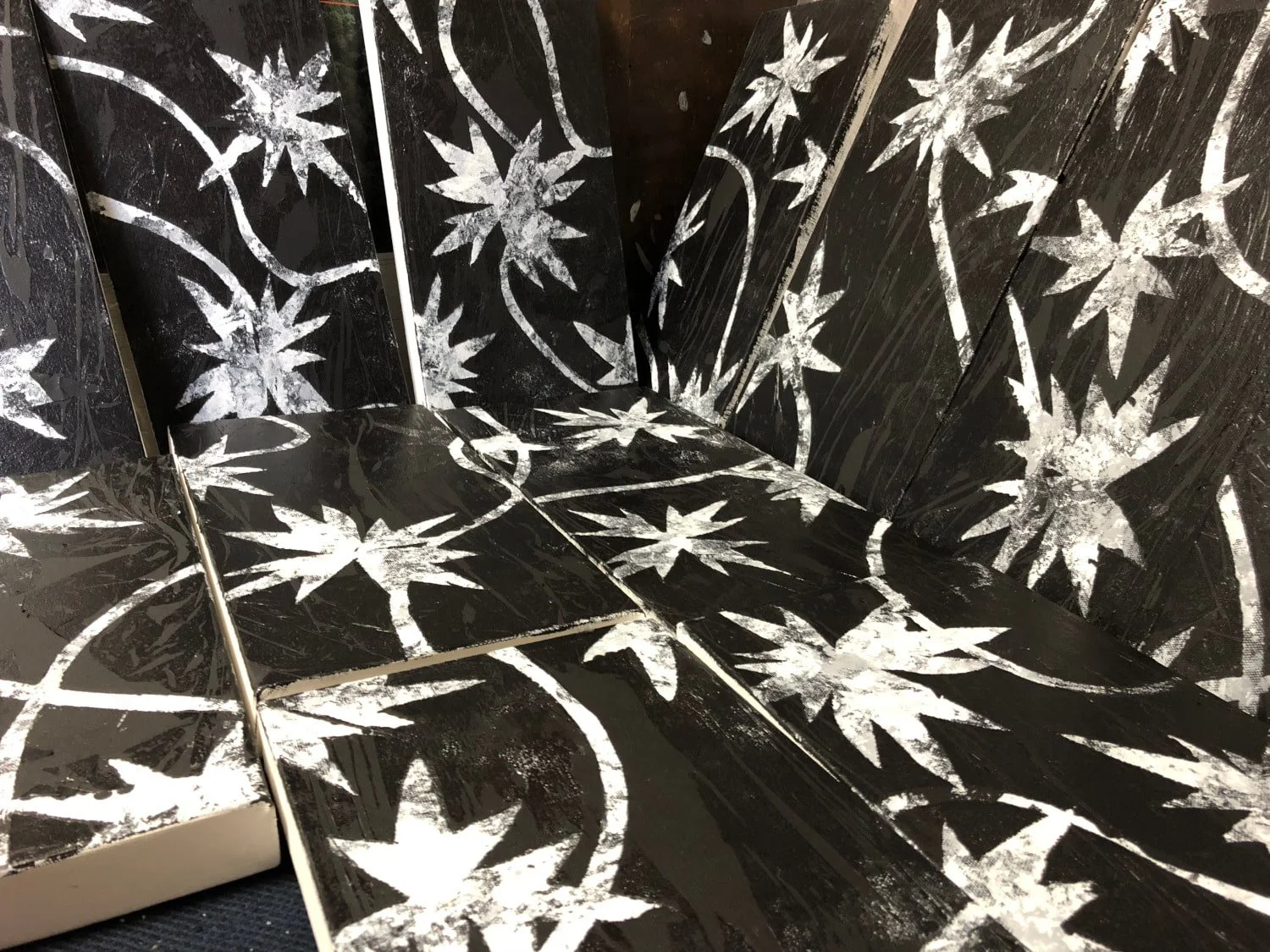
He began destroying work. Not privately, not apologetically, but as an extension of the same creative impulse that had produced it. Paintings that had not sold or changed hands were taken to the back alleyways after shows and obliterated, thrown into dumpsters with the same energy that had gone into making them. Creation and destruction were not opposites in this understanding of art. They were the same gesture made in different directions. The Kansai Time Out had noted it plainly while the period was still forming: "getting finished is the thing, I used to burn my paintings. I spend all this time creating, and destroying is part of it. I won't destroy anything I really love, but anything else I rip to parts, get rid of it."
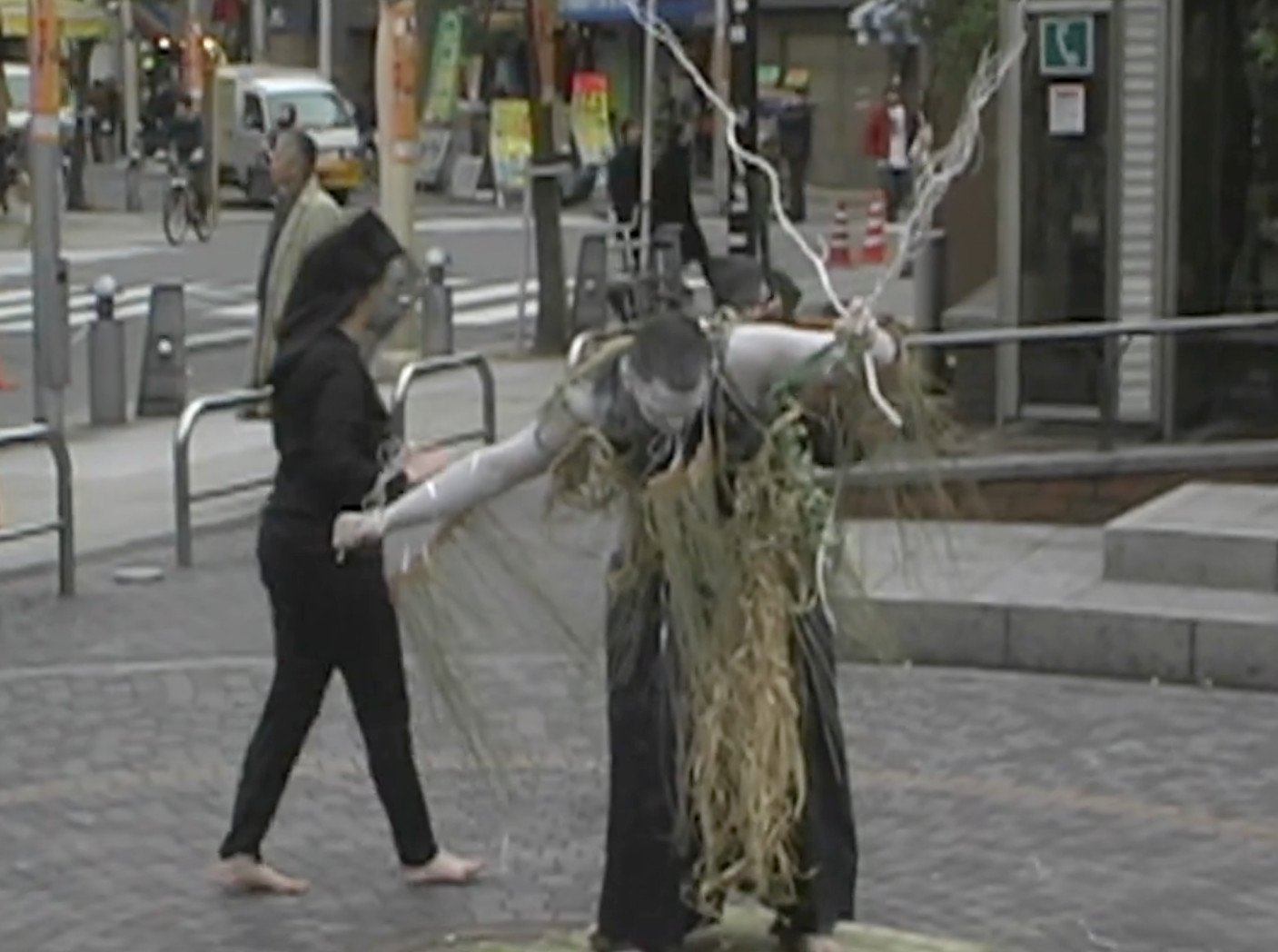
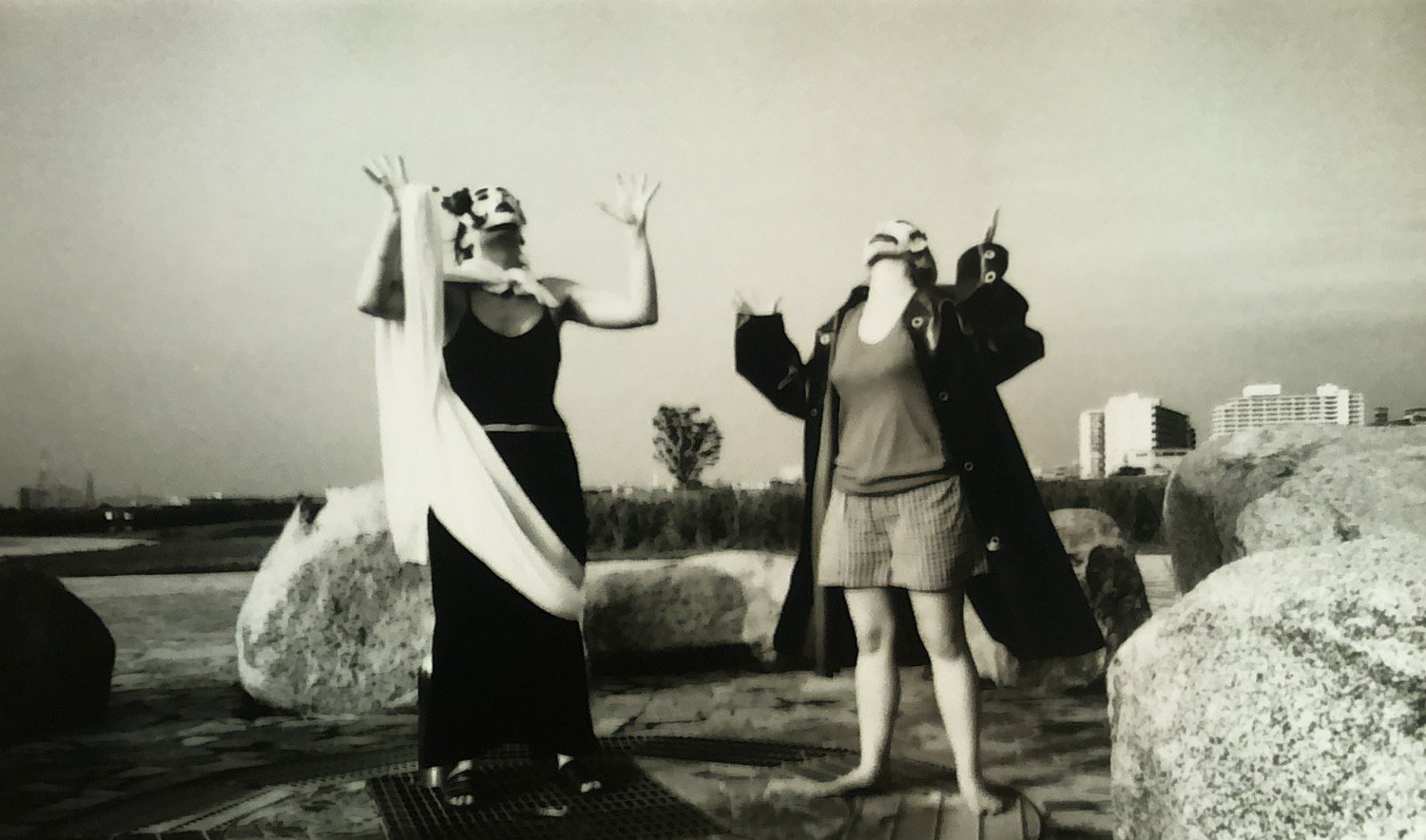
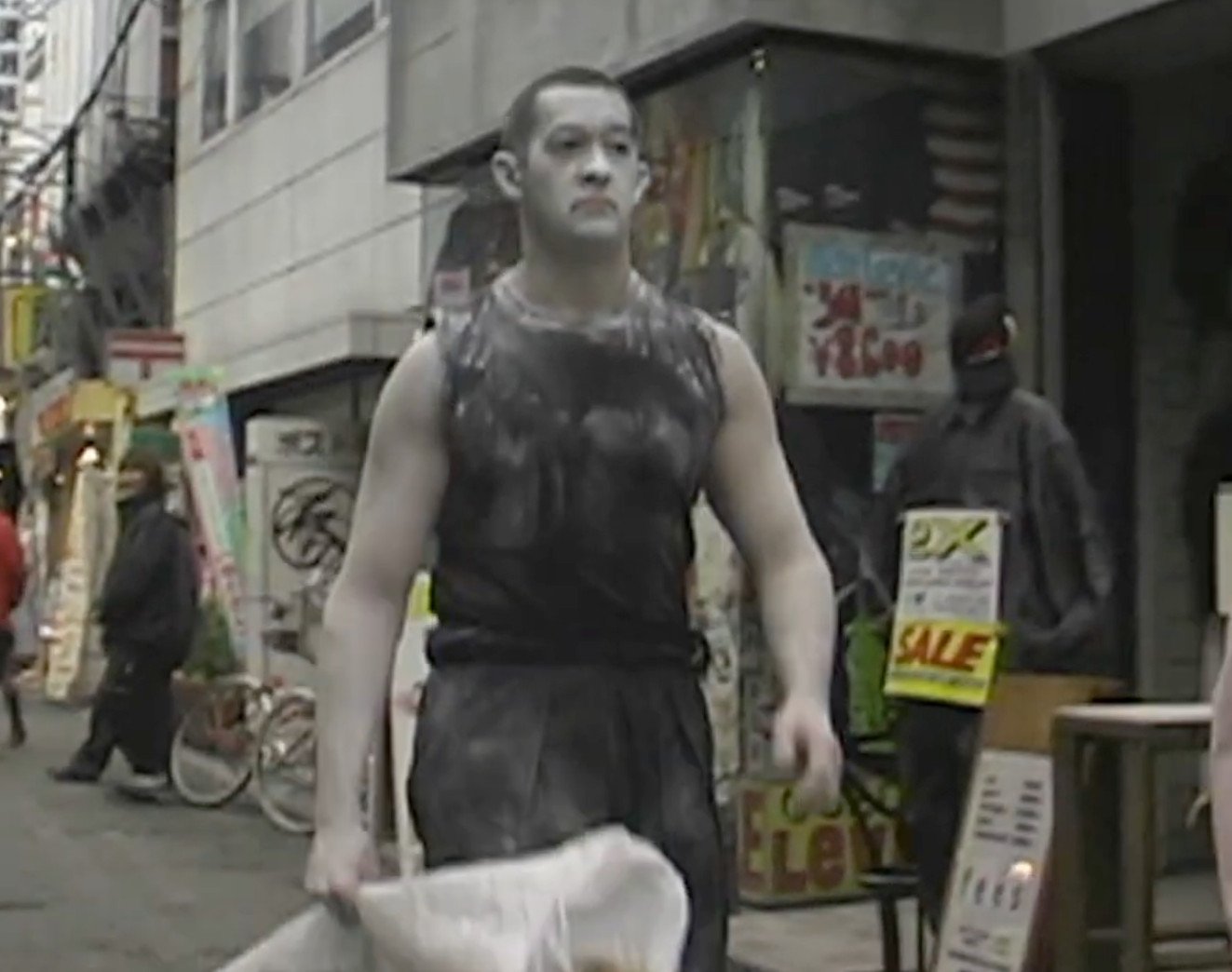
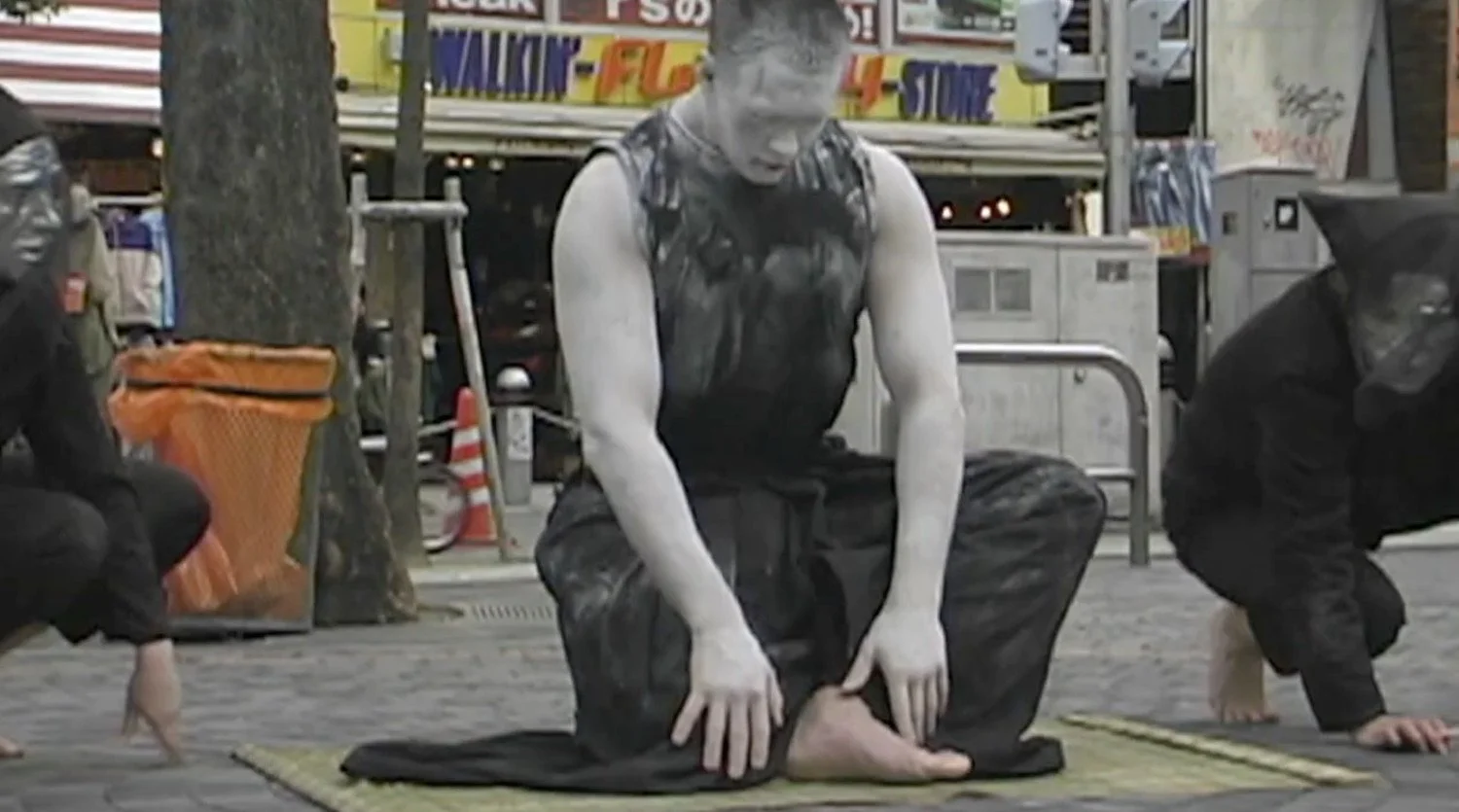
The performances that defined this decade were made for liminal spaces and liminal conditions. The Crucible took place on a mountaintop in Kisachi, Japan, assisted by a Buddhist monk and his attendants: paintings burned, the body covered in ash and Crisco, poetry read backwards into the air above the mountain. The logic of the piece was not symbolic so much as literal, a direct engagement with transformation through fire and physical extremity, performed at altitude with the full seriousness of a ceremony that had its own internal necessity. At Shinsaibashi Triangle Park in Osaka, another performance unfolded in public, witnessed by whoever happened to be there, indifferent to whoever was not. Filmmaker Karin Muller, who had tracked Cooley down after considerable effort in order to document his work, was present for this piece. The resulting footage became part of Japanland: A Year in Search of Wa, one of the few external records of a period that was otherwise deliberately undocumented. Muller's presence had been neither invited nor refused. Cooley would have performed regardless of who was watching, or whether anyone was watching at all.
The cakes appeared in public bathrooms across Japan: hyper-realistic confections nearly three feet in diameter, constructed from silicon and rubber, their surfaces dense with dancing figures, cake tentacles encrusted in artificial rainbow sprinkles, realistic human eyes staring back at the viewer through Oreo cookies and candy canes. They were placed without explanation in spaces that had no frame for them whatsoever. The encounter was the work. A person entering a public bathroom and finding one of these objects had no apparatus available for processing the experience except their own immediate response to it, unmediated by label, wall text, or institutional context of any kind. That confrontation, the art object placed where it had absolutely no business being, producing in the viewer a response that belonged to no recognized category of aesthetic experience, was a more radical gesture than anything a gallery could have produced.
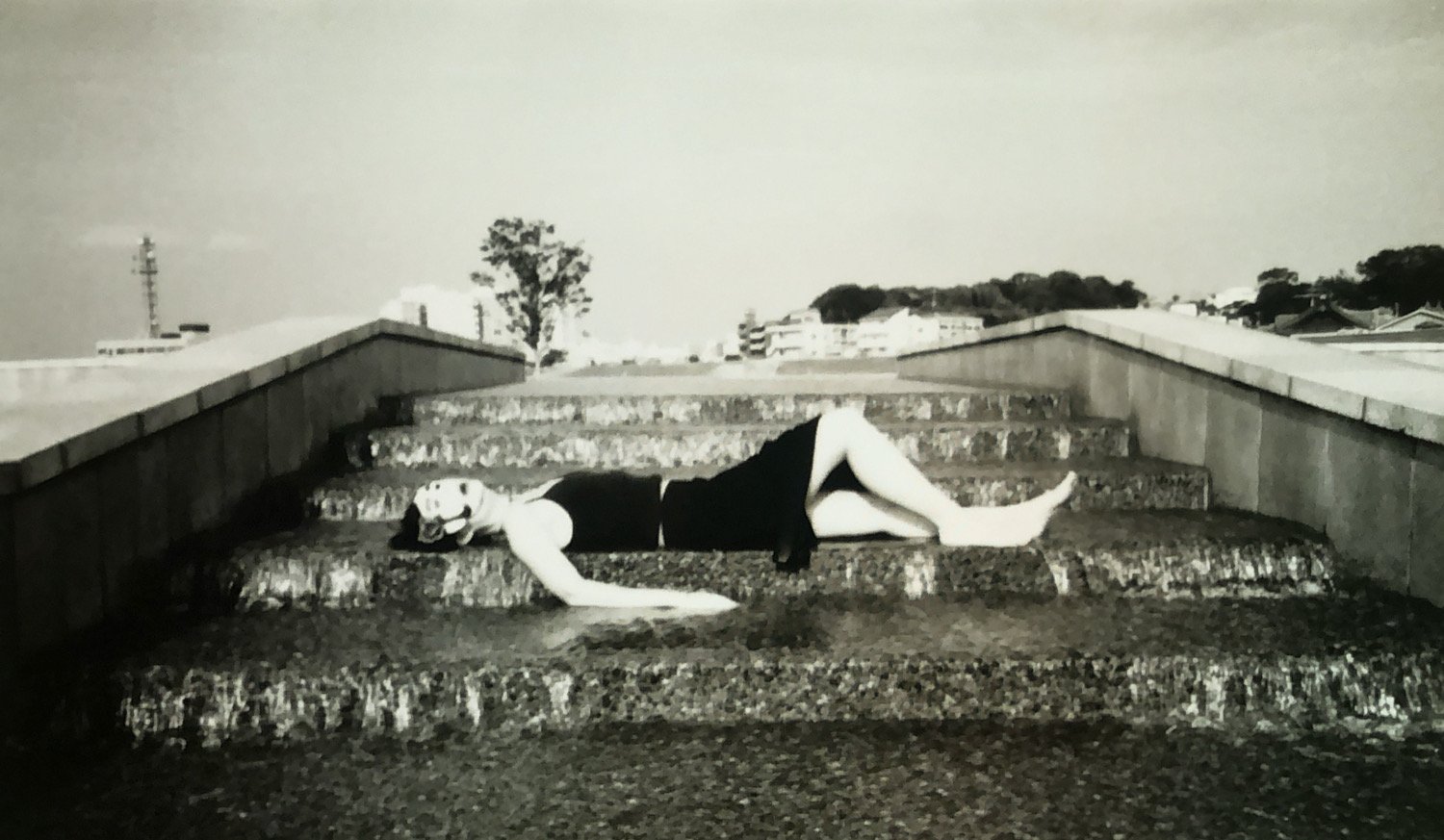
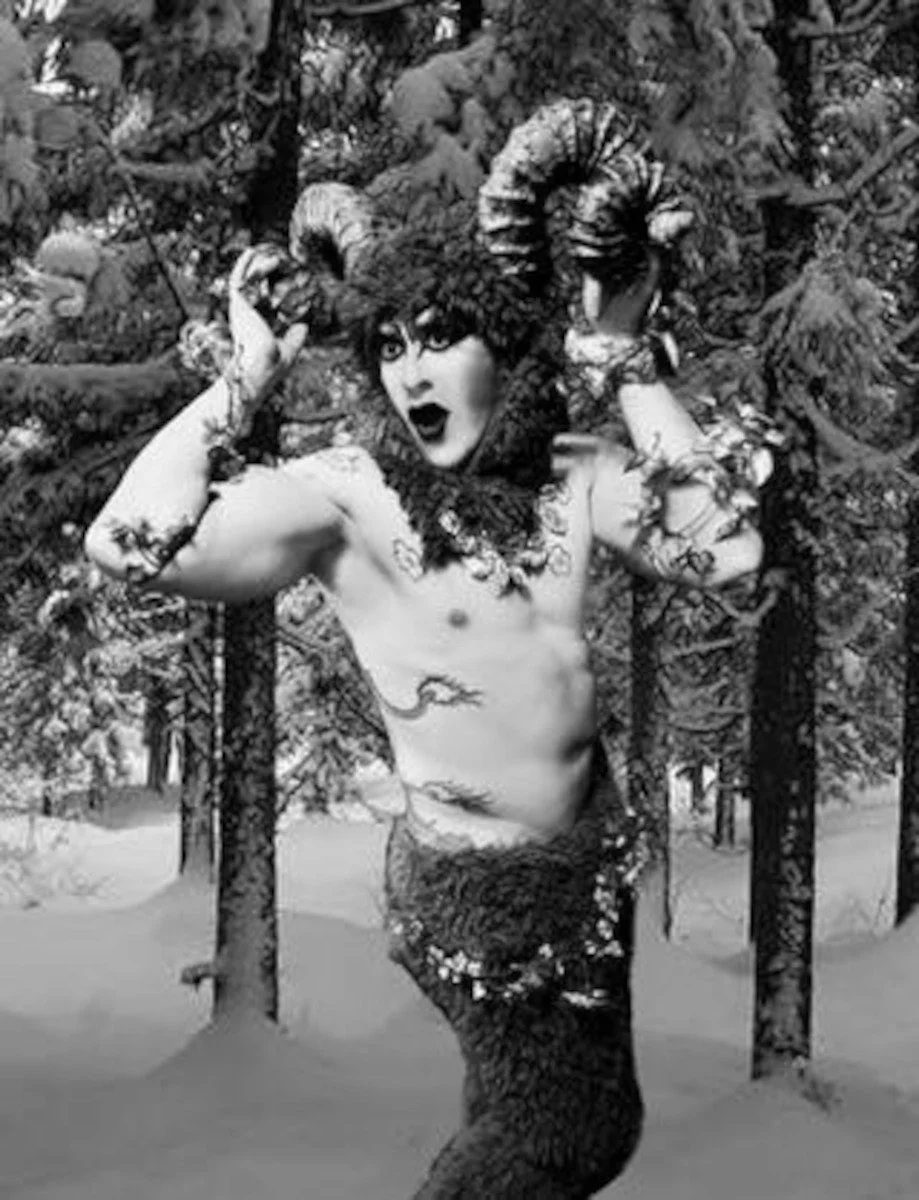
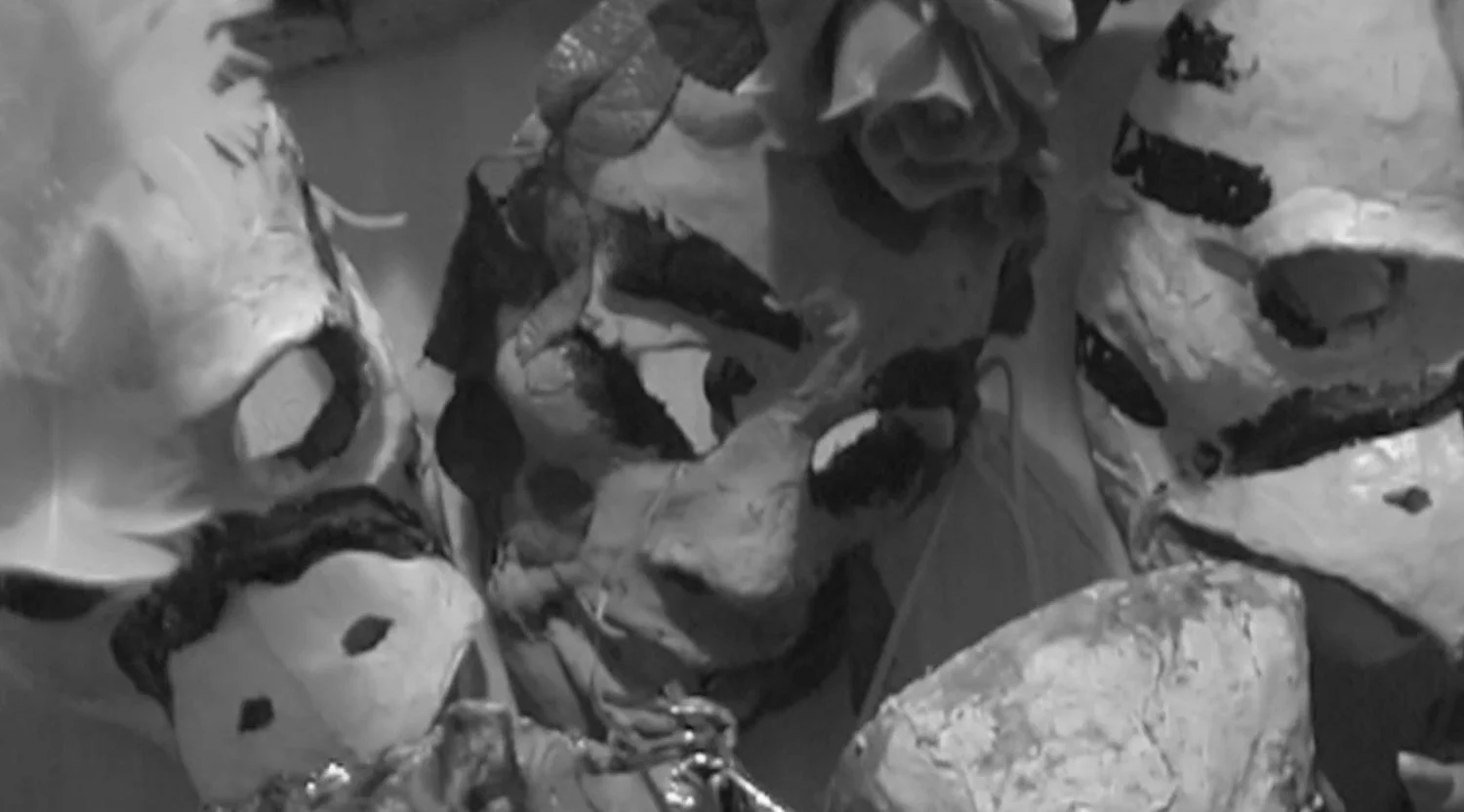
Elaborate costumes and multiple handmade masks were constructed for performances staged across every scale and setting, from crowded public spaces to places where no audience existed at all. The absence of witnesses was not a failure. It was another version of the same principle: the work existed in the moment of its making and its performance, not in its documentation or its afterlife. Through this sustained process of transformation, of putting on and taking off faces, of rebuilding the body through costume and makeup into something other than what it had been, emerged what would become Electra Raygun, Cooley's drag persona. The connection was not incidental. Drag, in this understanding, was not a performance category but a means of destroying and recreating identity, of making the self a variable rather than a fixed point. Recreating oneself was the most complete form available for the obliteration of what had previously existed. Cooley became the first professional foreign drag artist in Japan, performing on stages across Osaka and beyond, the persona that had emerged from a decade of mask-making and self-transformation finding its fullest expression in a form that Japanese culture, with its long tradition of the sacred and the obscene existing in the same performance space, understood in ways that Western contexts often did not.
Through this decade Cooley was also surviving, in the most direct sense. Born with Long QT syndrome, a rare condition affecting the heart's electrical rhythm, he experienced multiple episodes of cardiac arrest and resuscitation across these years. The Kansai Time Out quoted him on the subject with characteristic directness: "I'm not afraid to die at all, but it wasn't until the third flatliner that I was used to the idea." The work of this period, its insistence on the present moment, its deliberate resistance to permanence and record, its understanding of creation and destruction as a single continuous act, was made by someone with a particular and hard-won relationship to the fact that any moment might be the last one. To live truly in the moment and engage directly with the universe was not a philosophical position. It was a practice, maintained under conditions that gave the phrase its full weight.
The decade left few photographs and fewer formal records. What it left instead was a set of principles, about impermanence, about the relationship between making and unmaking, about the work that exists only in the moment of its encounter, that have run through everything Cooley has made since.