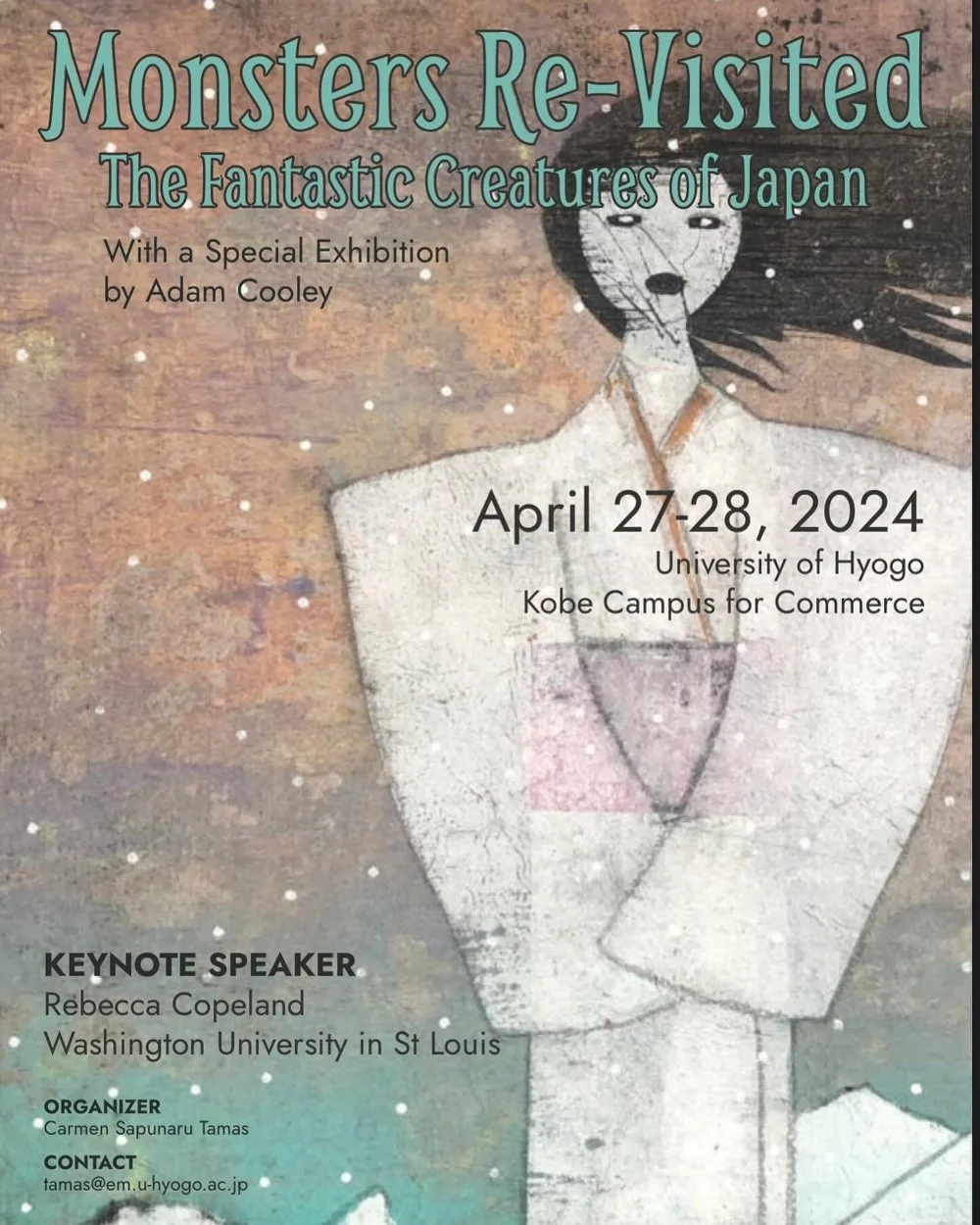
Monsters Re-Visited: The Fantastic Creatures of Japan
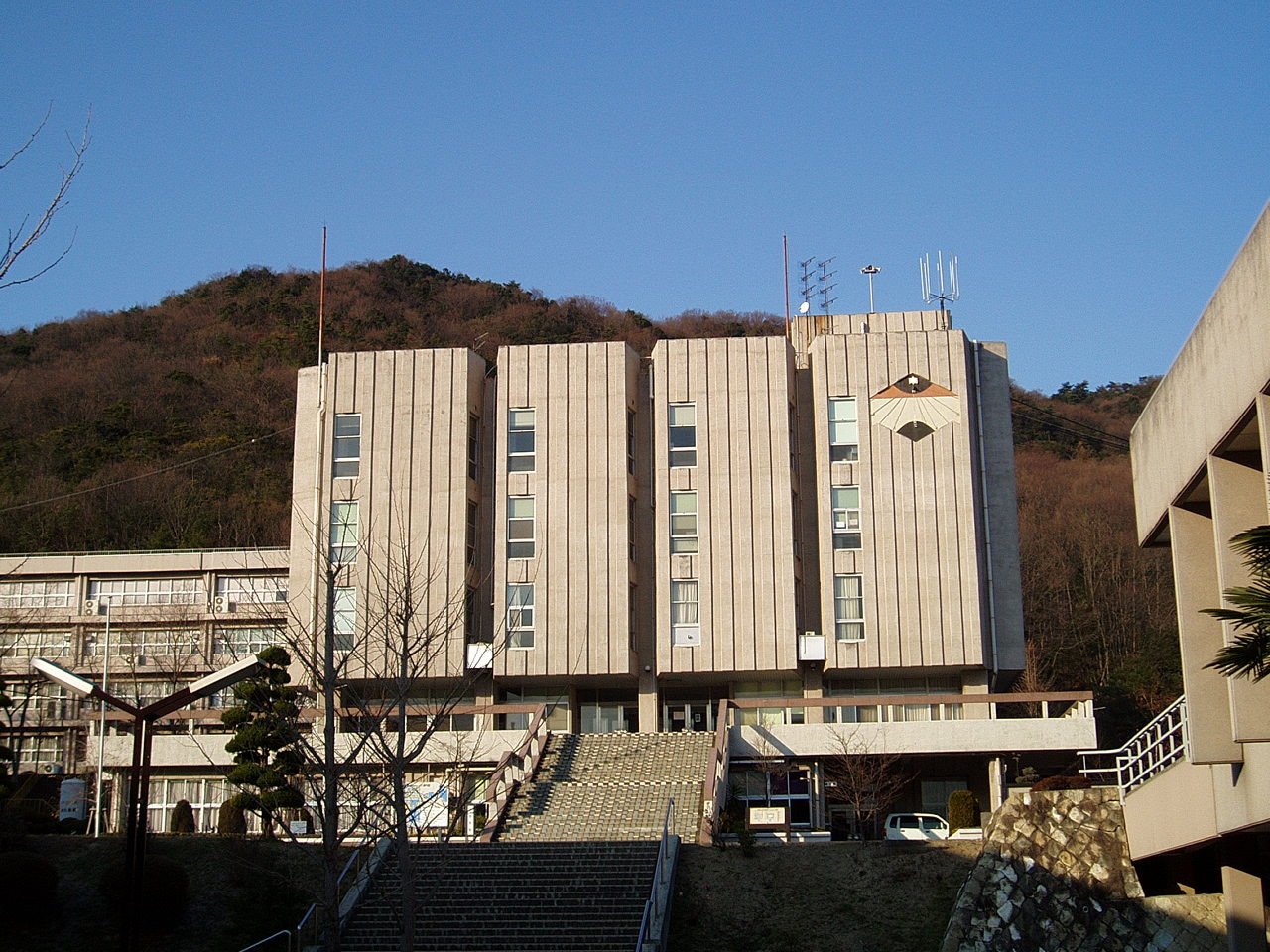
University of Hyogo, Kobe Campus for Commerce
Kobe, Japan
April 2024
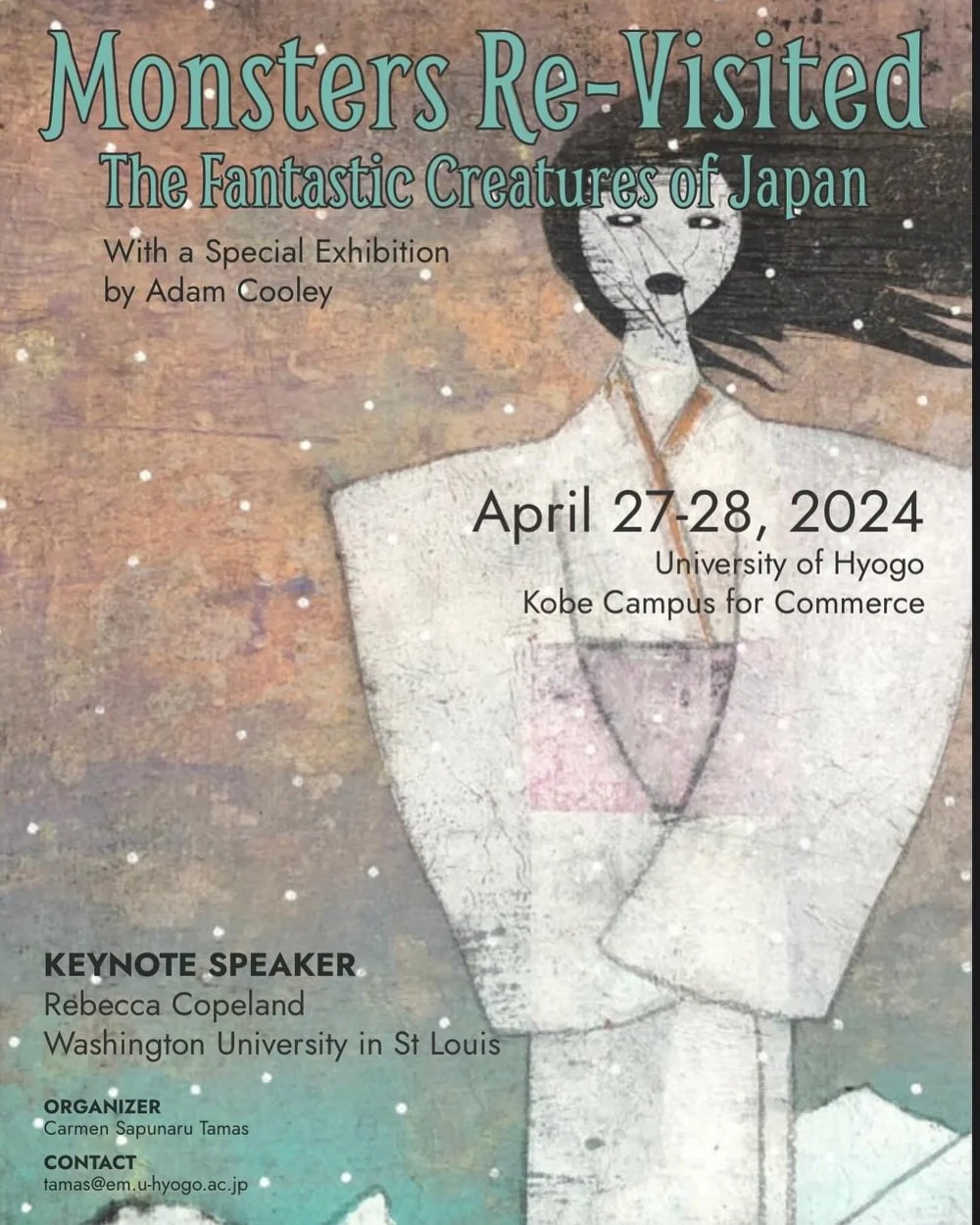
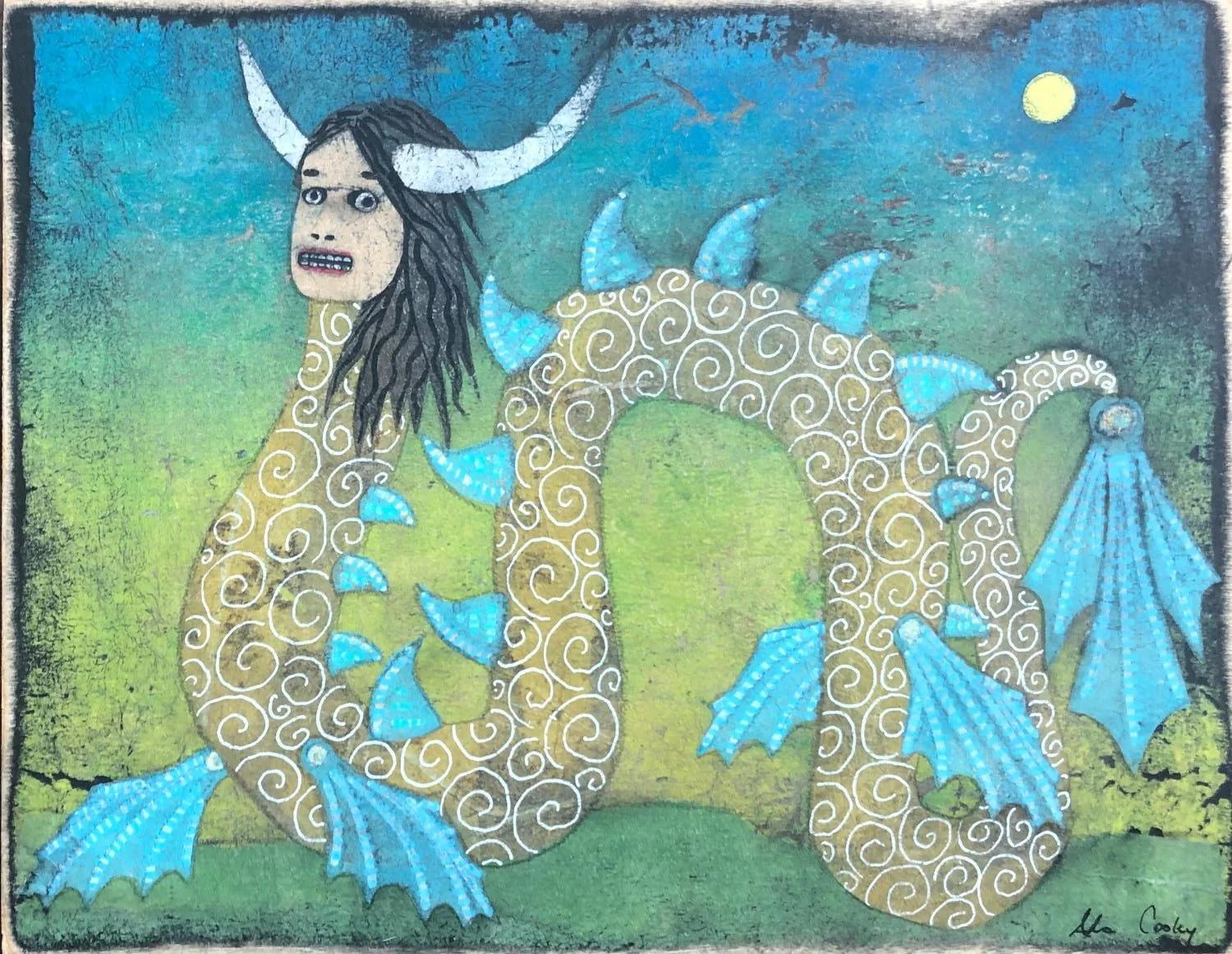
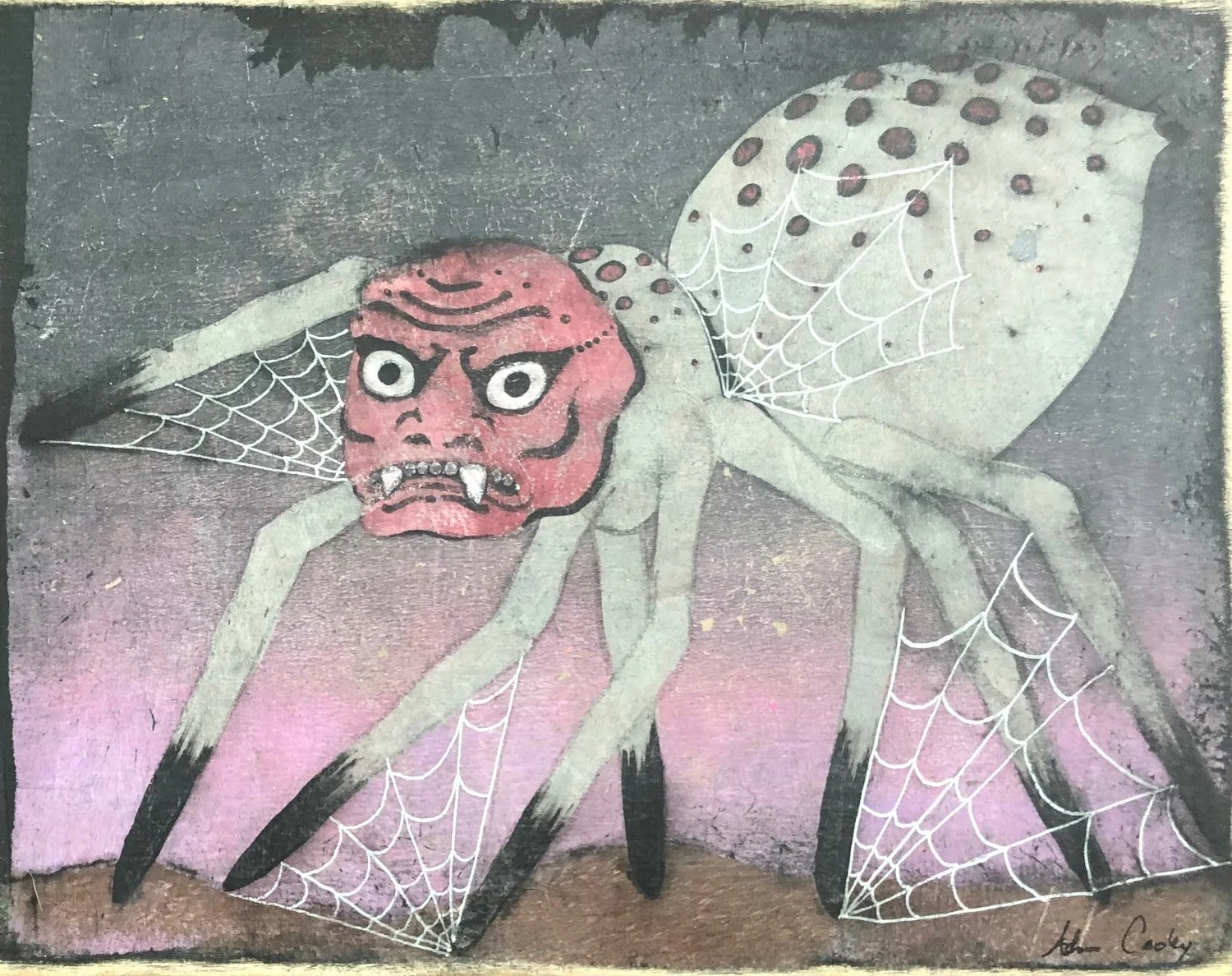
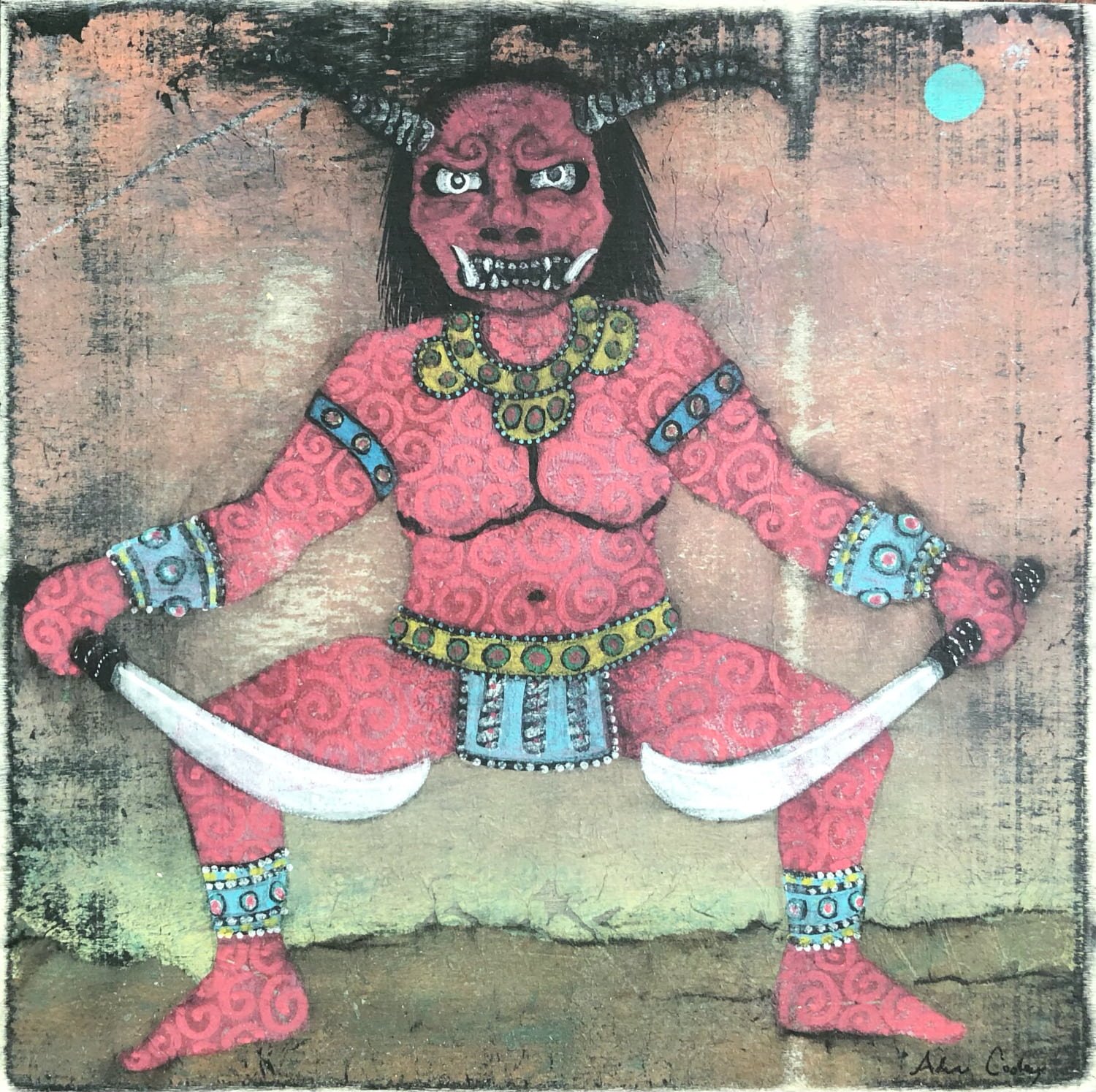
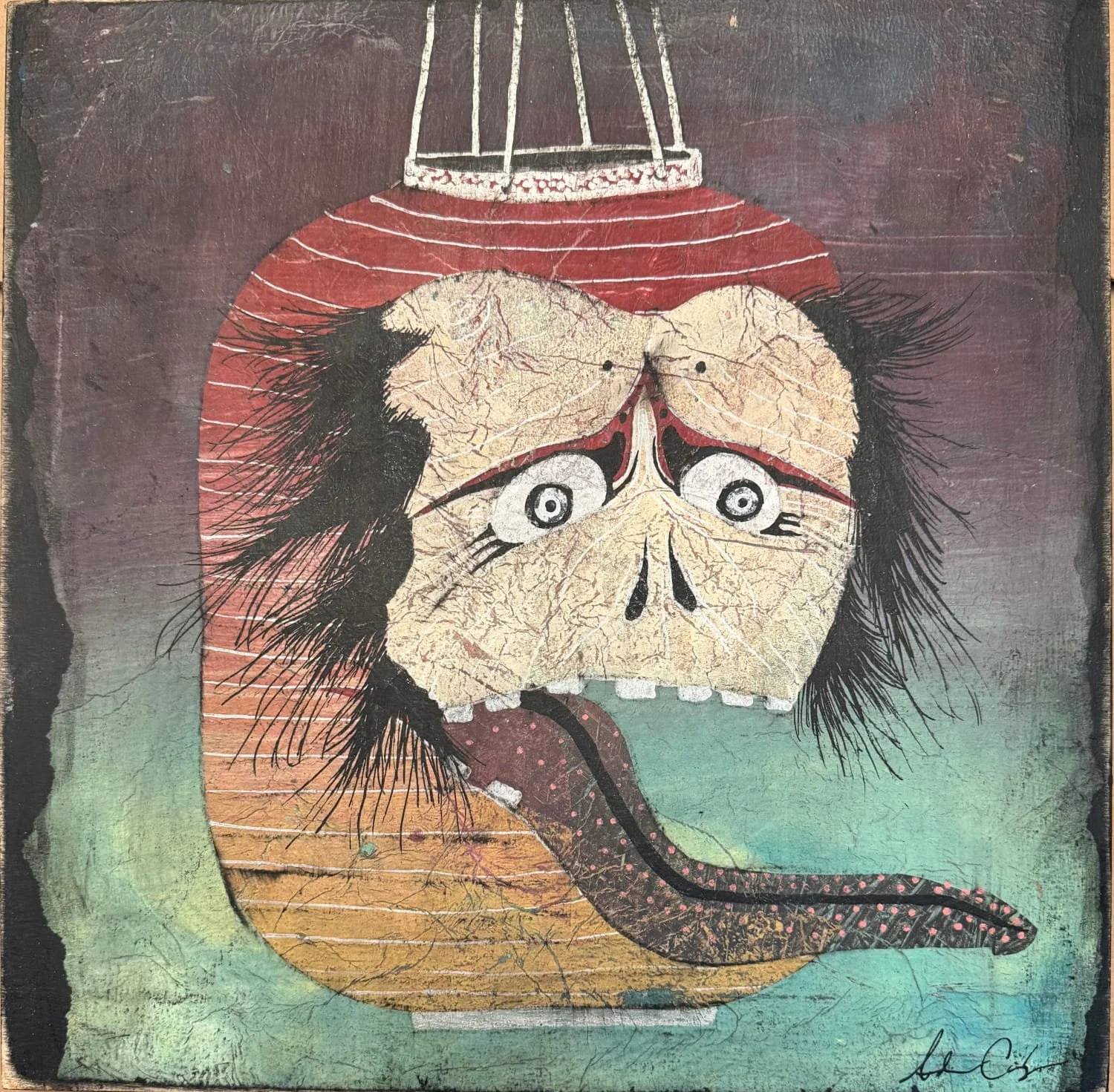
A university campus is a different kind of exhibition space. It is not neutral in the way a gallery attempts to be, not devoted to art in the way a museum is, but alive with a particular kind of sustained intellectual curiosity that changes the atmosphere in which work is encountered. When the paintings from Monstrous Dreams arrived at the University of Hyogo's Kobe Campus for Commerce in April 2024, they entered a community of people who had spent careers thinking carefully about Japanese folklore, mythology and cultural transmission, and the encounter between that accumulated knowledge and Cooley's paintings produced something that neither the work nor the scholarship could have generated alone.
The exhibition ran from April 22 through April 26, the works installed across the campus and encountered by students, faculty and visitors moving through their ordinary days alongside the extraordinary population of beings Cooley had been assembling for years. The yōkai that inhabited these panels, some among the most celebrated figures in Japanese folklore, others drawn from its more regional and obscure corners, found in this setting an audience that brought to them a different quality of attention than any gallery visit could produce. For scholars whose understanding of kappa and tengu and the vast taxonomy of Japanese supernatural beings was built from years of dedicated research, Cooley's interpretations offered something that academic study alone cannot produce: these creatures seen through a perspective that is neither inside the tradition nor entirely outside it, occupying the particular and irreplaceable position of someone who has looked at them long and hard enough to make them genuinely his own.
The two-day international multidisciplinary symposium that followed on April 27 and 28 gathered scholars from institutions across multiple countries, in person and online, around questions that the paintings had helped bring into focus. The works remained on the walls throughout, present in the room where ideas about them were being examined and debated, the images and the inquiry in direct conversation with each other in a way that an exhibition held separately from its symposium could never quite achieve.