Wings of Imagination
Gallery TOART, Daimaru Kobe
Kobe, Japan
April 10-16, 2024
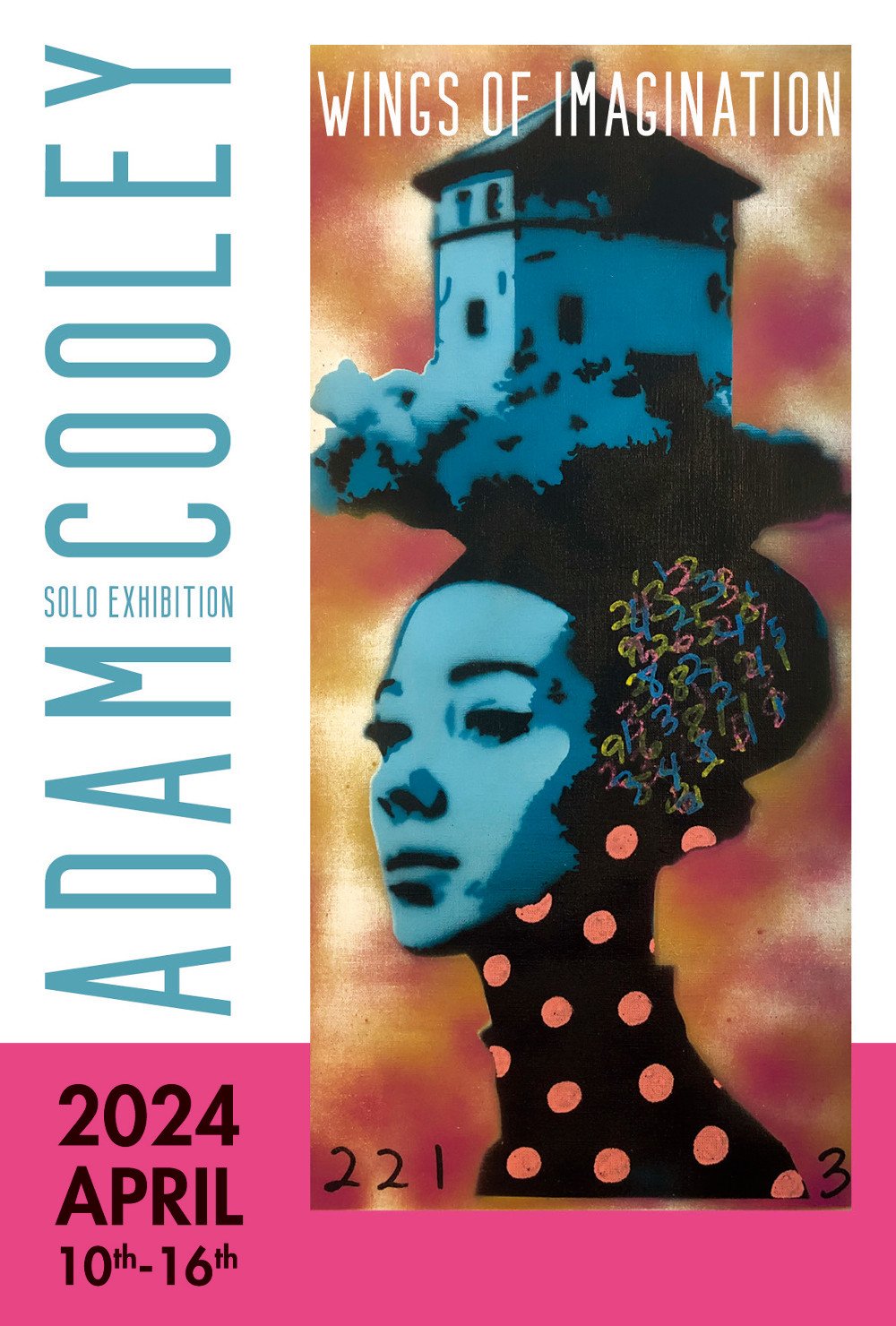
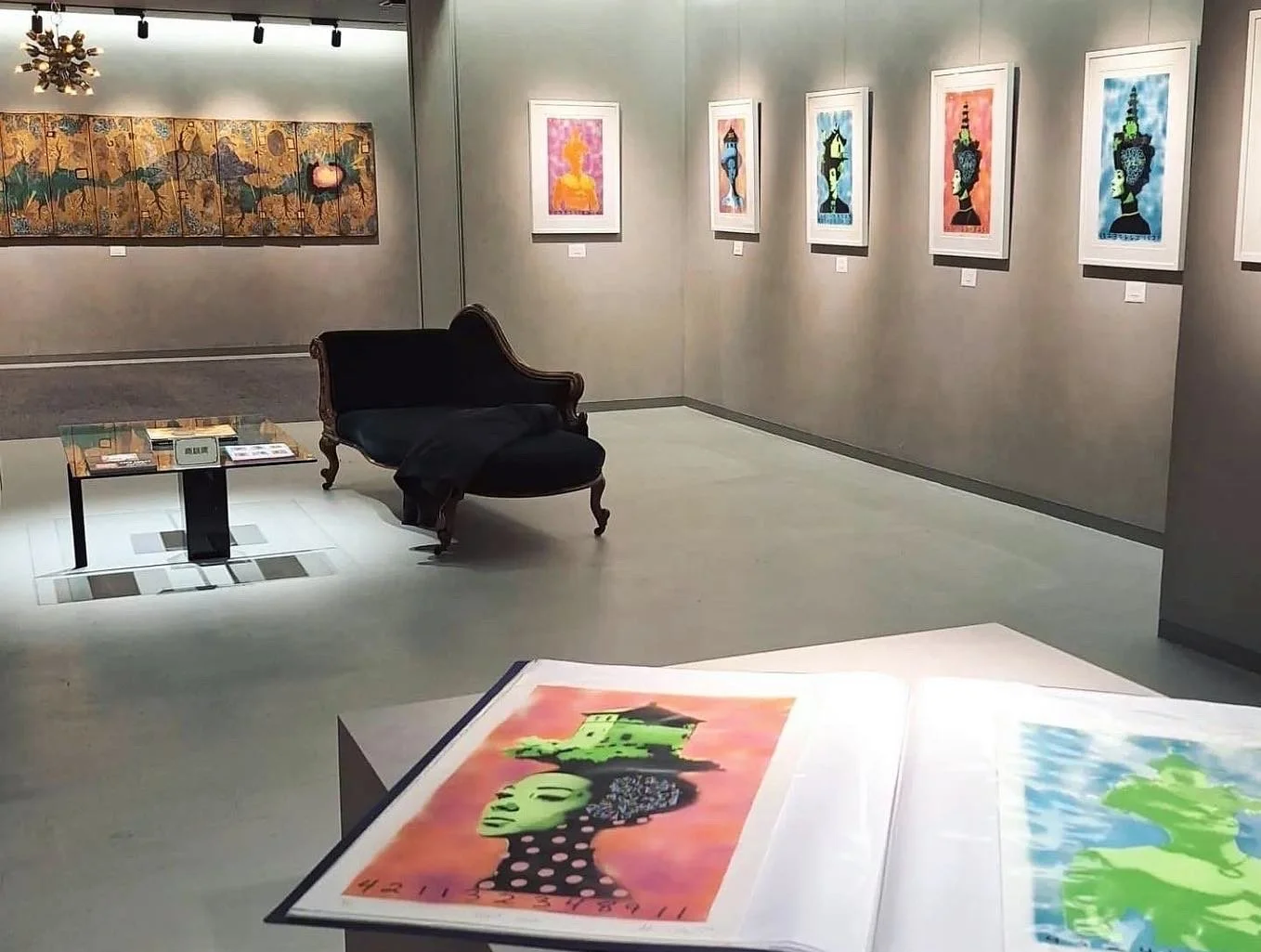
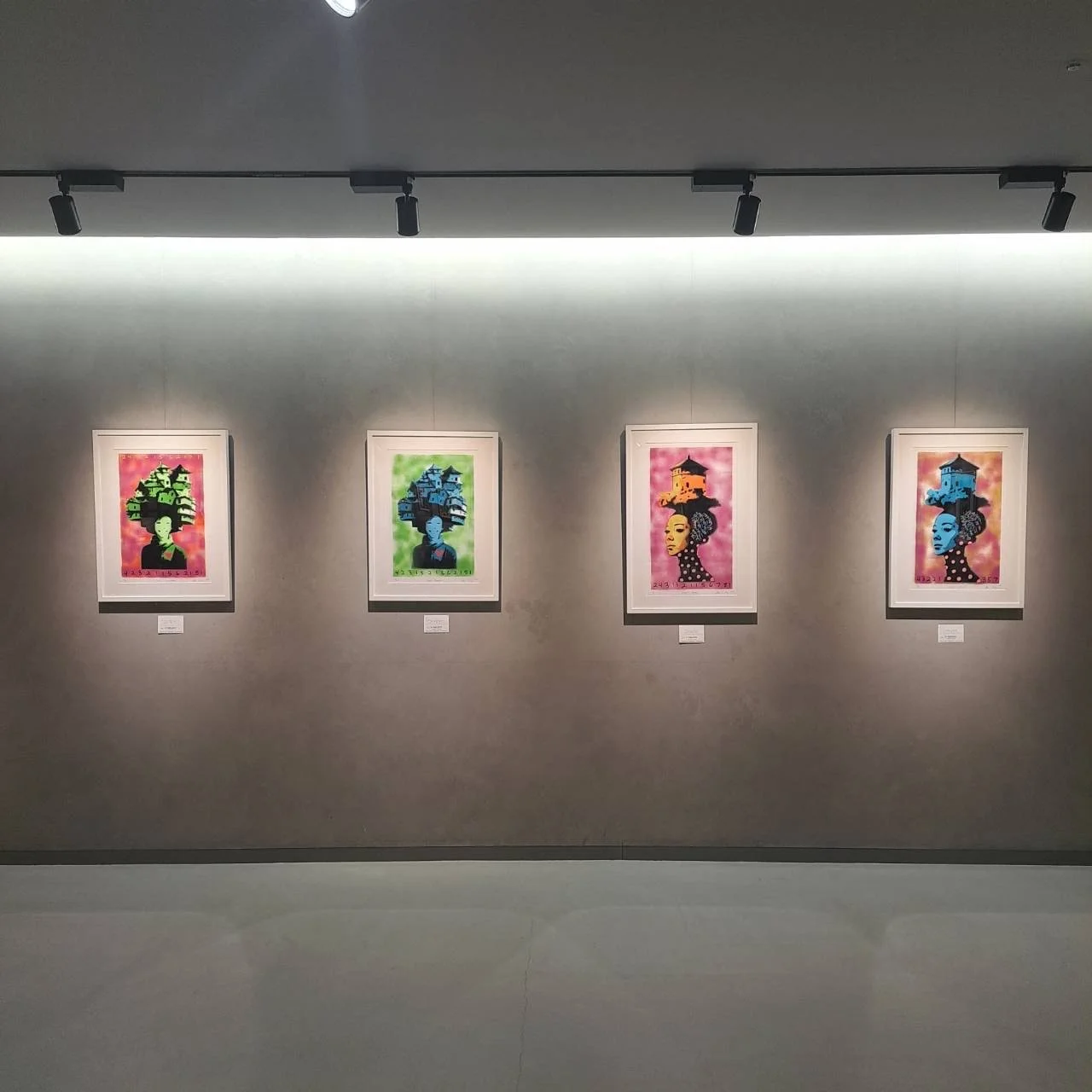
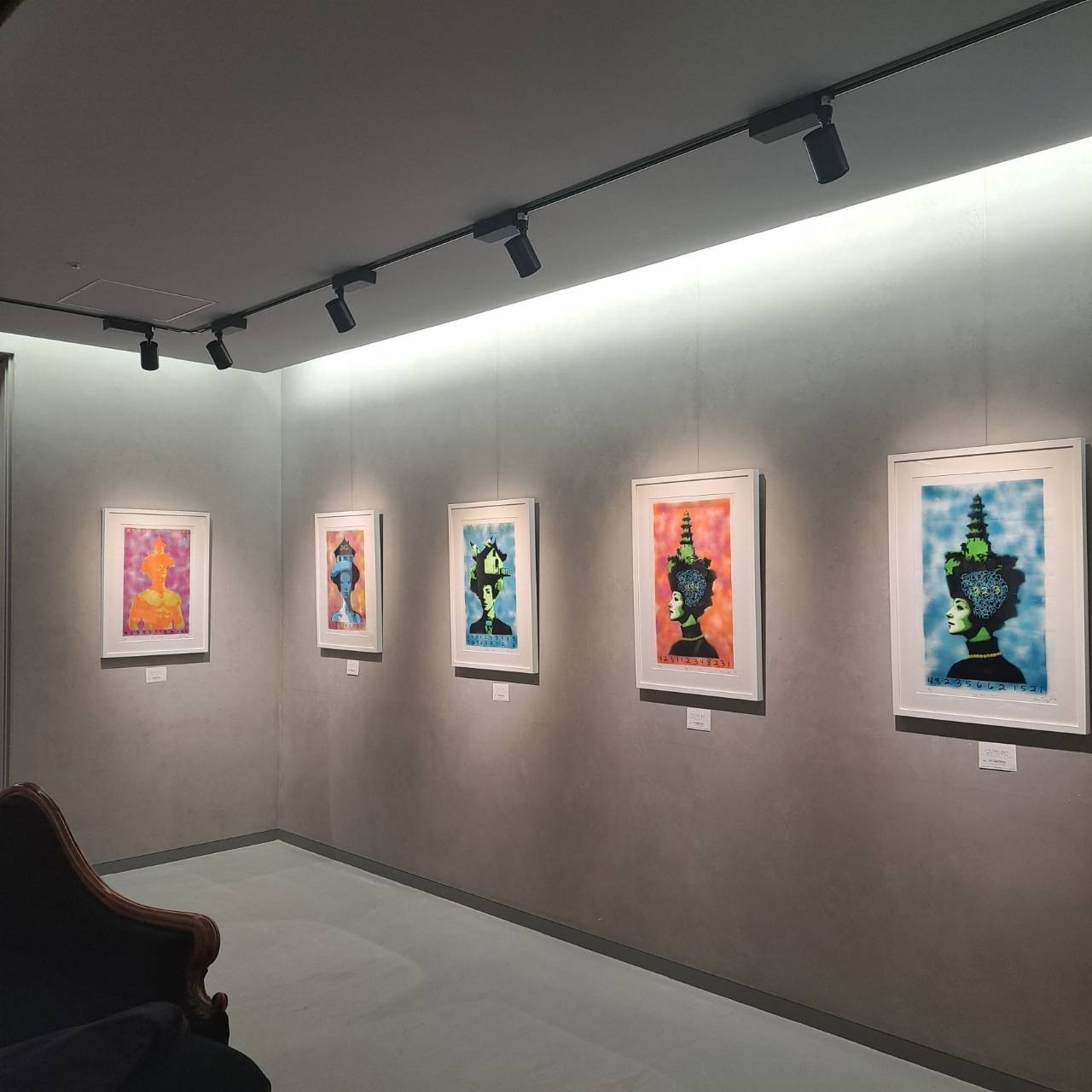
There is something quietly confrontational about a portrait in which the subject's most prominent feature is a building. Not a hat, not a crown, but a house, a pagoda, a tower of rooms rising from the skull as though thought itself had taken on architecture. The figures in Wings of Imagination meet the viewer with a calm that is entirely at odds with what sits above them, and that tension is the work's first and most persistent pleasure. These are portraits of people who carry entire worlds on their heads, and they seem entirely unbothered by the fact.
Cooley made these pieces in fine art spray paint on archival paper, a medium that carries the history of the street without announcing it. The flat grounds pulse in electric teal, coral and acid green. The silhouettes are cut in bold black. And yet each portrait holds its own gravity, something in the line and bearing of each subject pulling the work back toward the classical, toward the formal traditions of portraiture that have always understood the head as the seat of identity and interior life. There is a composure to these figures that belongs to painted portraiture across centuries, a stillness and self-possession that the vivid grounds and bold outlines do not disturb so much as reframe. The subject looks out. What sits above them is their business, not ours.
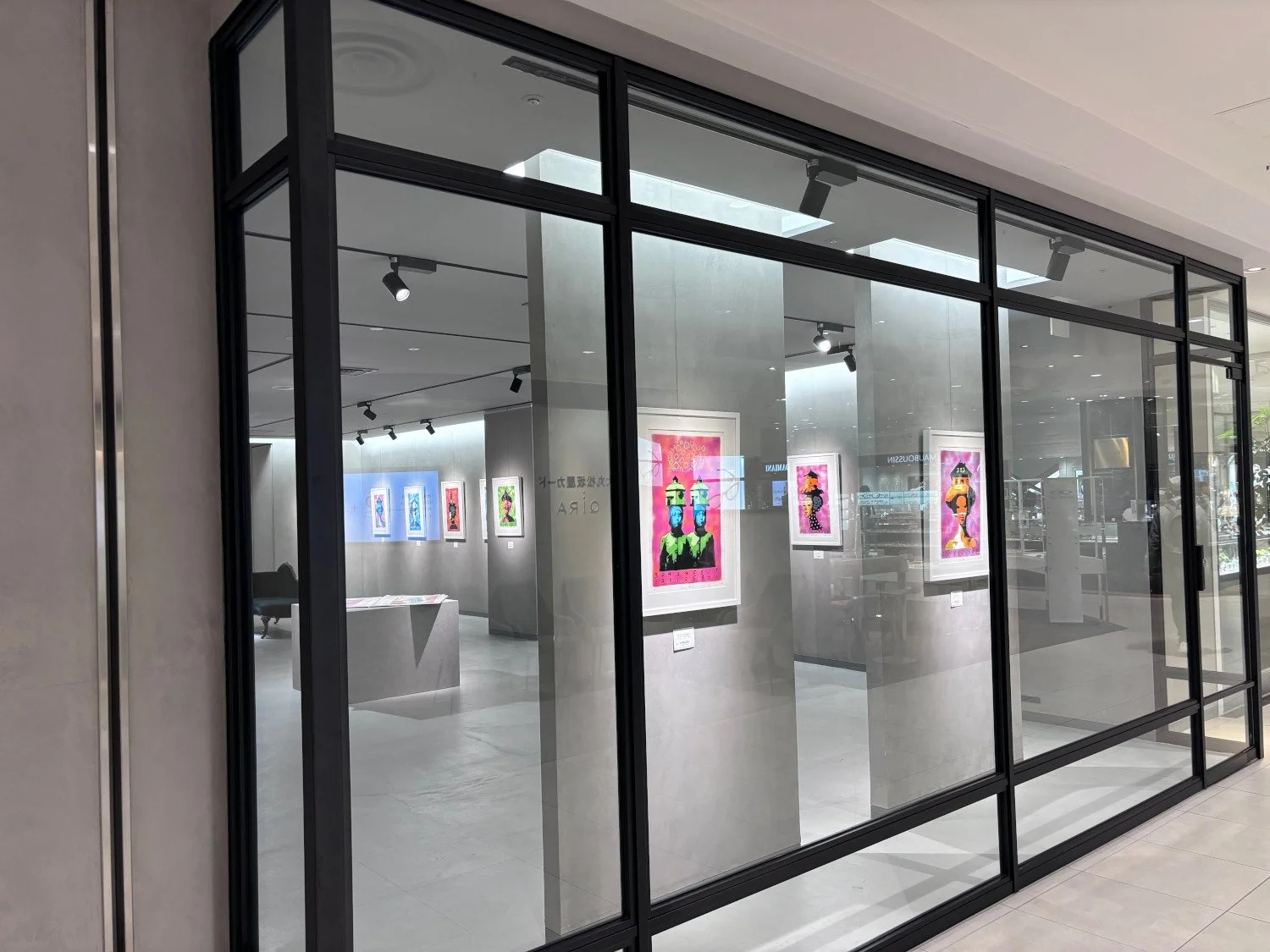
The birdhouses that rise from these heads range from modest domestic structures to elaborate multi-tiered pagodas, from the solitary to the shared. In some works two figures stand side by side, each carrying a dwelling, the buildings nearly touching at their peaks as though the two interior worlds are on the verge of becoming one. In others the structure is entirely private, a single tower rising into the composition with the self-sufficiency of something that has never needed company. A pink flamingo inhabits one work. A single bird perches at the apex of another. The imagery accumulates its own internal logic without offering to explain it, and Cooley's recurring numbers, running along the lower edges of the compositions, present but unglossed, hold to that same discipline. They are a signature written in a private language the work does not offer to translate, and does not need to.
Cooley had been moving between the precision of figurative painting and the formal directness of street art for decades, and in these works the two finally occupy the same picture plane without either one giving way to the other. The collision produces something that belongs to neither tradition exclusively: portraits that are monumental and playful simultaneously, images that reward the sustained attention usually brought to painting while delivering the immediate visual force that belongs to work made for walls and open air. The birdhouse portraits are neither street art that has wandered indoors nor fine art that has borrowed an urban vocabulary. They are something that needed both to exist, and could only have been made by someone equally at home in each.
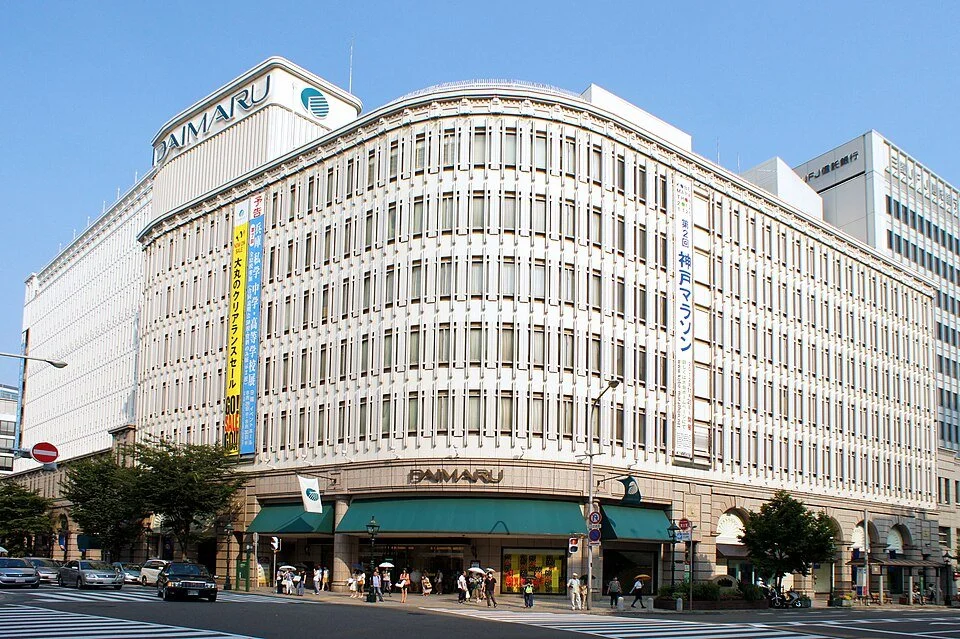
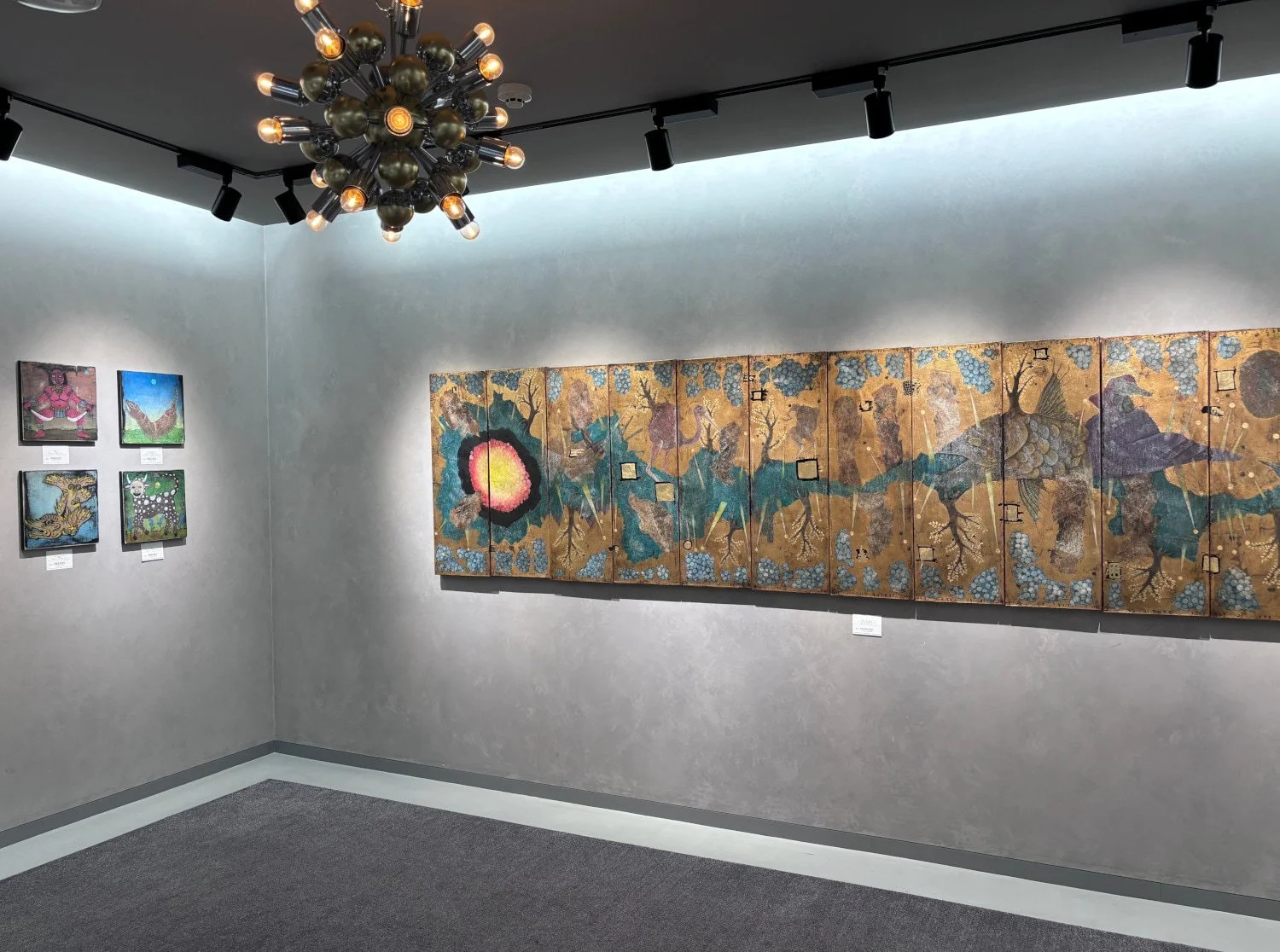
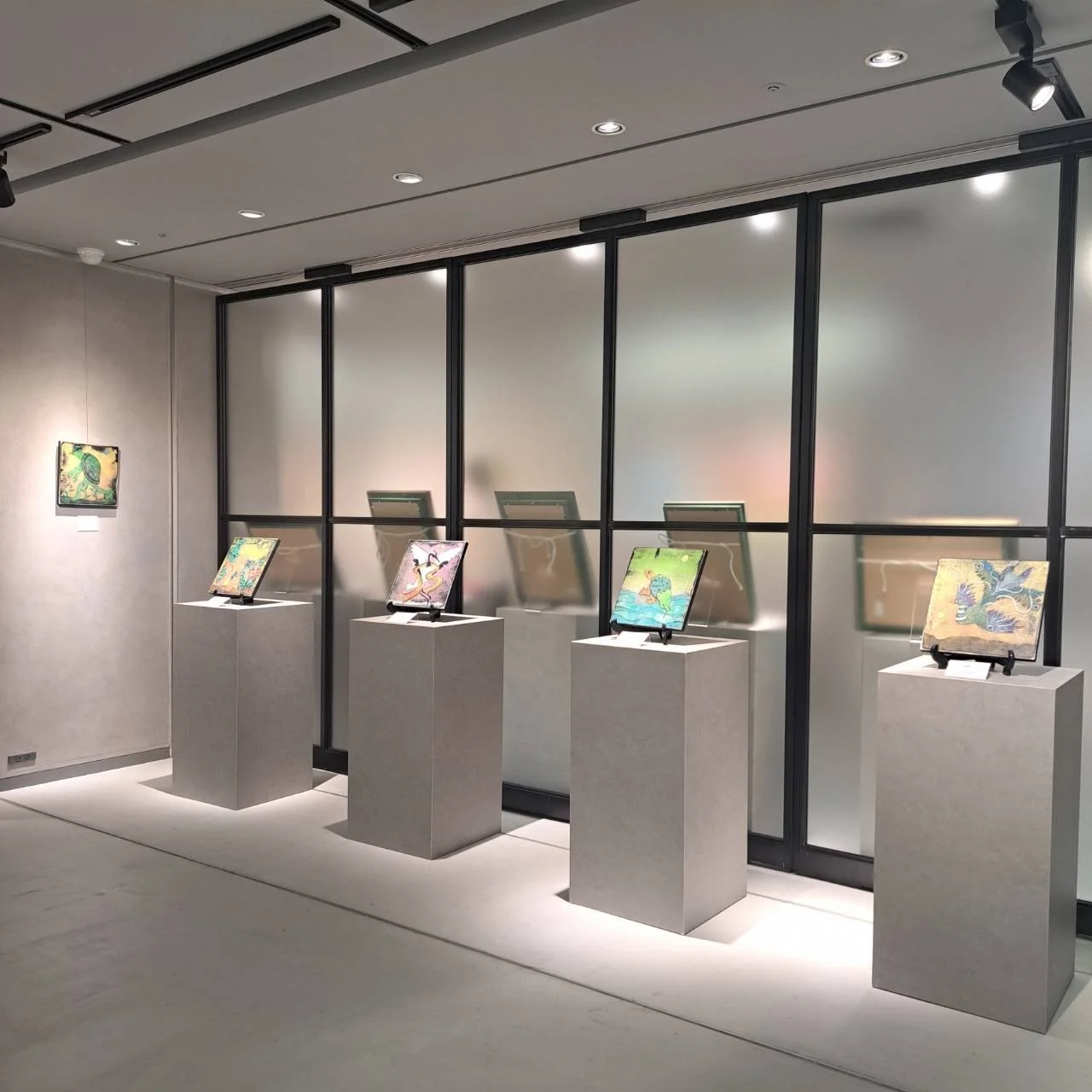
Gallery TOART within Daimaru Kobe occupies a particular position in the Kansai art world: a refined and distinguished space with a long tradition of presenting serious contemporary work to a broad and discerning public. Its measured elegance made the electric grounds and bold silhouettes of Wings of Imagination all the more striking, the work's colour and energy pressing against the gallery's quiet authority in a way that sharpened both. The contrast was not a disruption but a dialogue, the kind that happens when work of genuine confidence enters a space of genuine quality and neither one retreats. The show formed part of a cluster of exhibitions Cooley mounted across the Kansai region that spring and included a selection of winged yokai from his ongoing Monstrous Dreams series alongside the birdhouse portraits, two bodies of work that share more than their setting without requiring the connection to be made explicit.
Wings of Imagination was Cooley's first solo exhibition in Kobe, a city whose relationship to international art and culture runs deep, and whose audiences brought to these works exactly the quality of attention they were made to reward.