Anella - Adam Cooley Exhibition
Maronie Gallery
Kyoto, Japan
1998
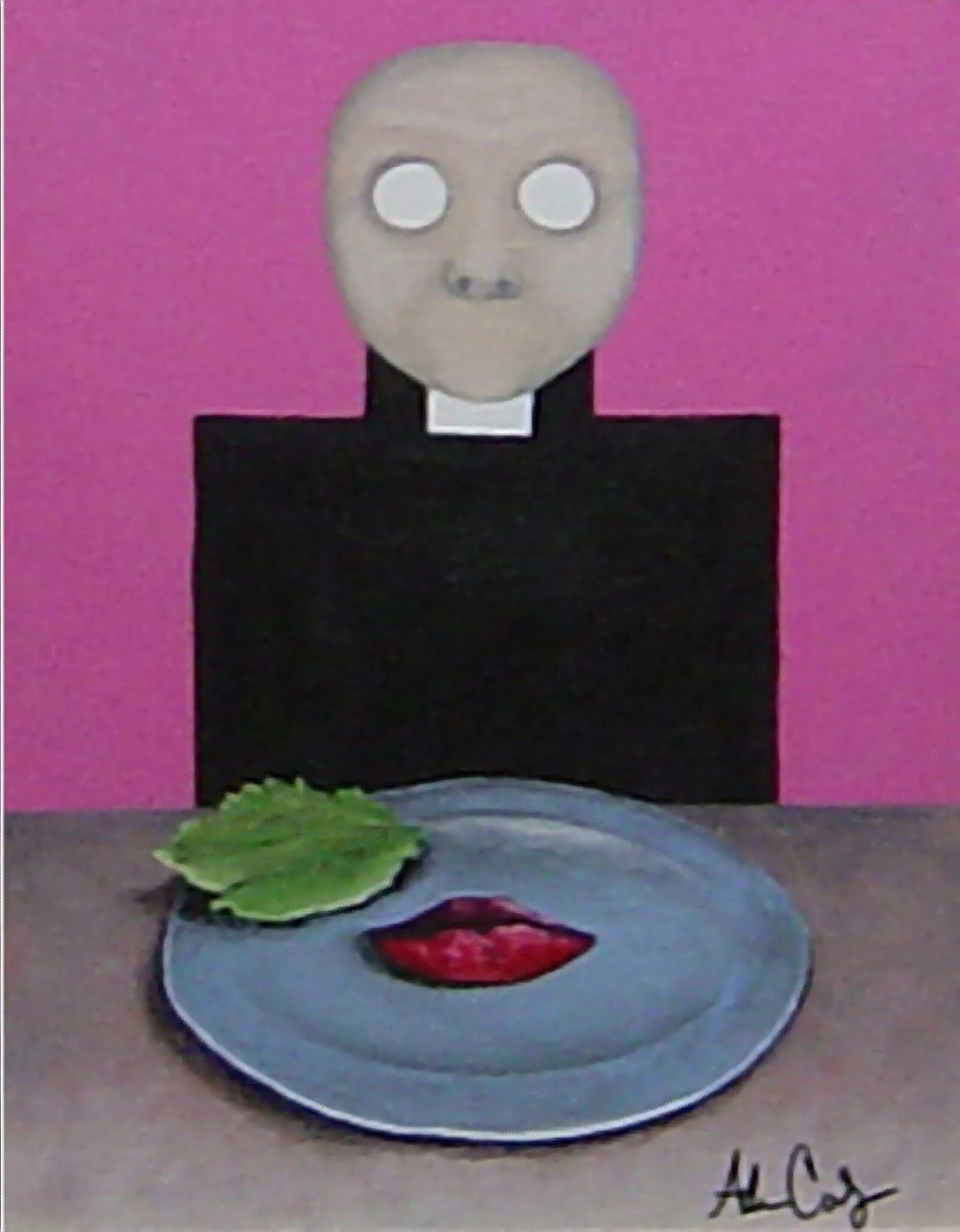
Adam Cooley's grandmother was named Anella. She was, he has said, his light in the darkness, and it was her name he gave to the exhibition that had taken him three years to make, and that would mark his arrival as a significant and original presence in the Japanese art world.
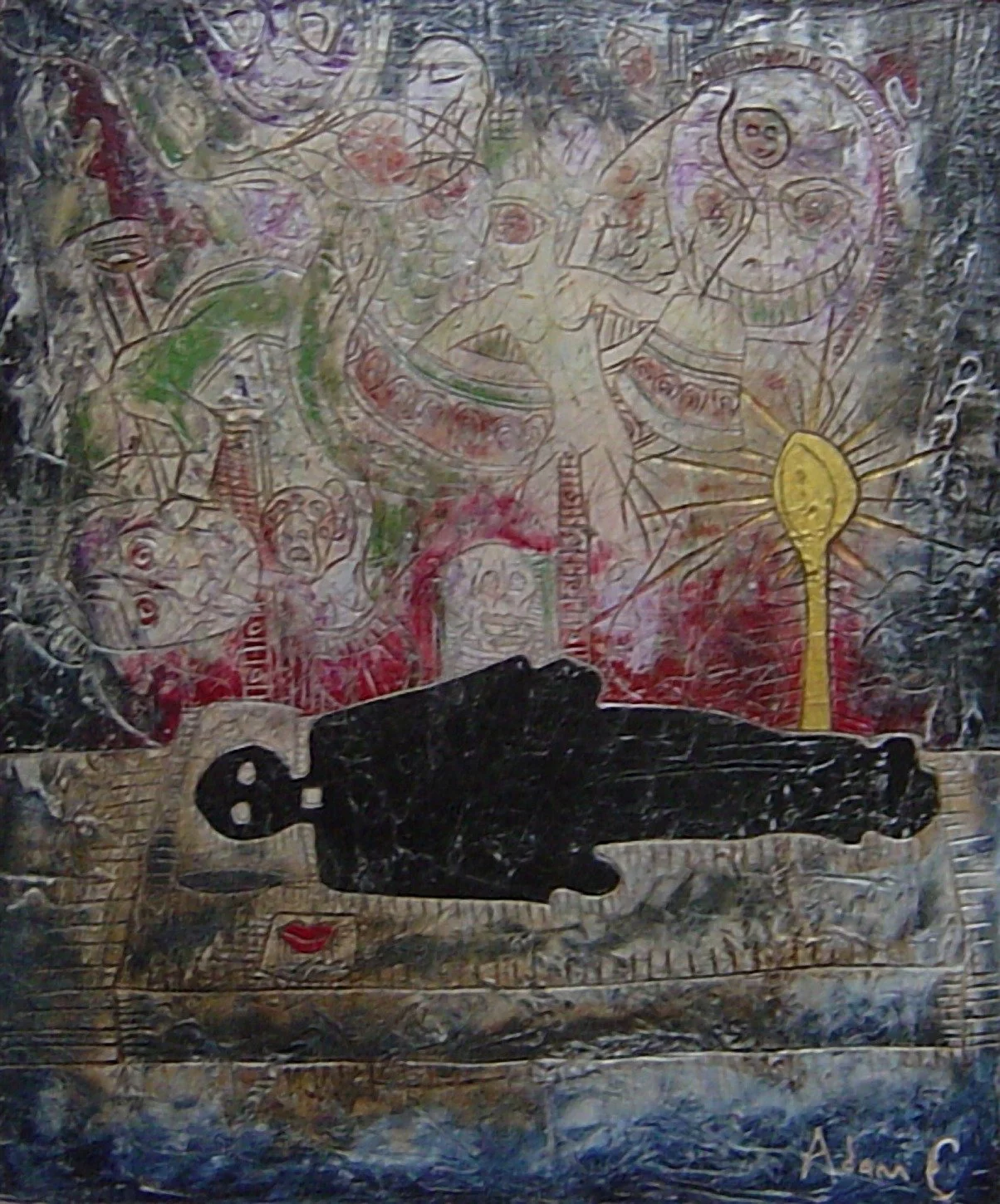
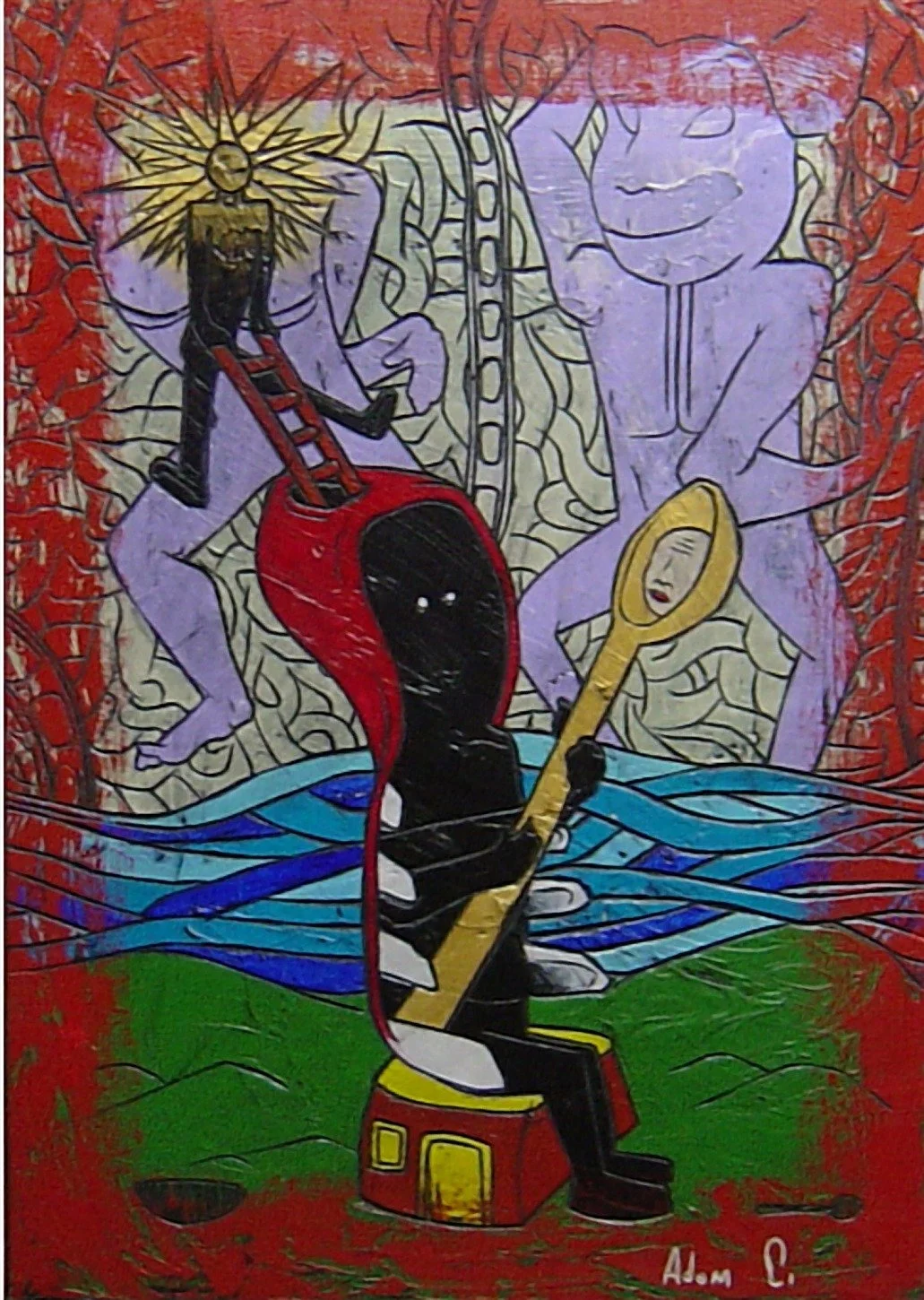
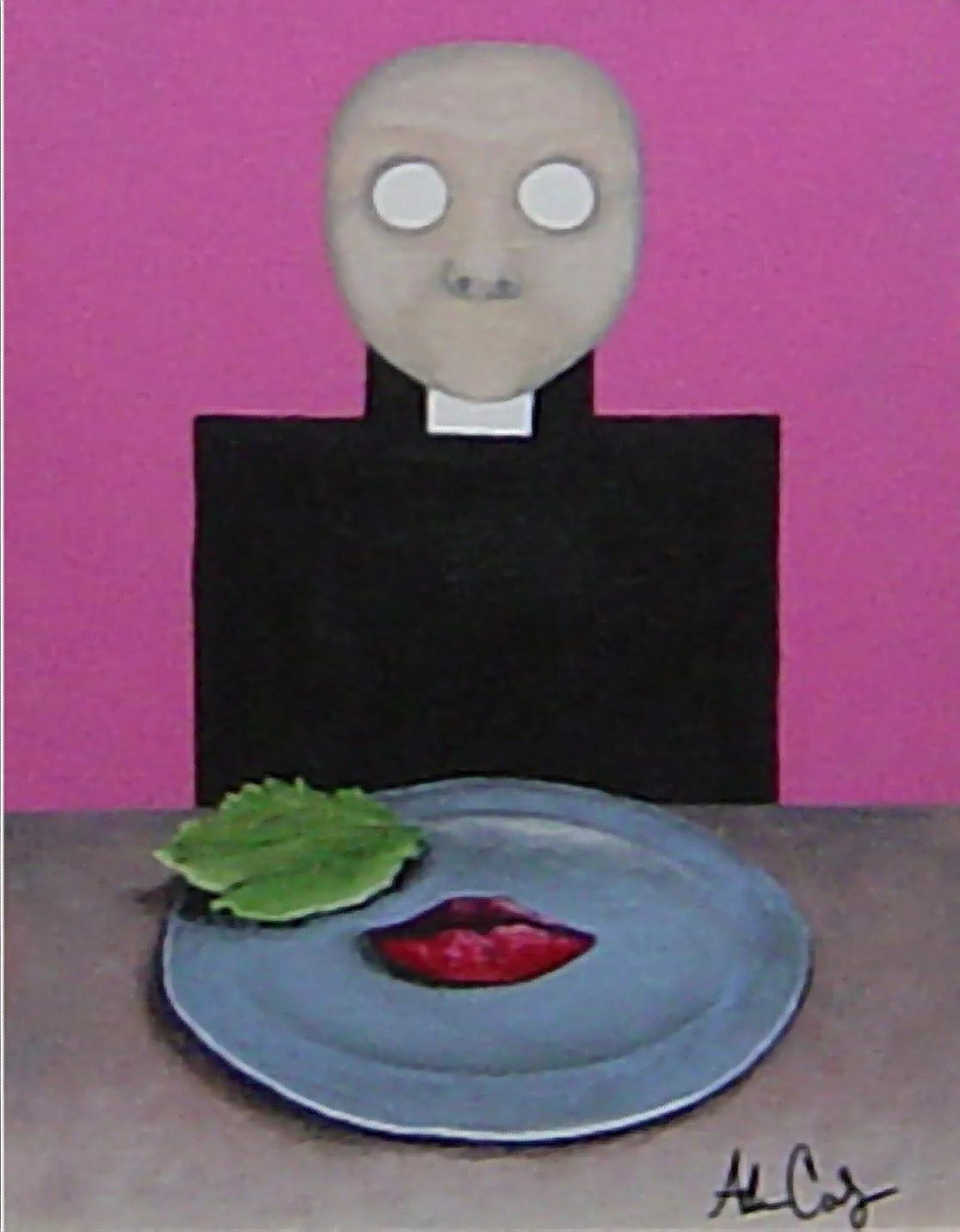
The premise of the exhibition was straightforward and, in Japan in 1998, entirely without precedent. Every one of the approximately 80 works on show could be touched. Not tolerated if touched, not protected behind the customary glass and rope and the unspoken contract of the gallery visit, but genuinely, deliberately, designed to be touched. The paintings were executed in bold color with heavy, carved surfaces that rose from the canvas in relief, rewarding the hand as fully as the eye. The frames Cooley built for them were themselves part of the work, their patterned surfaces carved and textured, integral to each piece rather than simply containing it. The sculptures were designed for physical interaction. To visit Anella was to be invited to use your hands in a space that had always asked you to keep them to yourself.
That invitation was not made casually, and it was not made partially. The exhibition was conceived as genuinely barrier-free in every sense: paintings were hung at heights accessible to visitors in wheelchairs, the layout of the space considered for those with limited mobility, and every decision about the placement and presentation of the work made with the full range of visitors in mind rather than the assumed able-bodied norm. Cooley worked directly with the Nippon Lighthouse Welfare Center for the Blind and the Kyoto Lighthouse in devising works that could be safely and meaningfully experienced through touch, consulting with disability advocates and accessibility specialists throughout the process. The collaboration extended to the media, whose coverage brought the exhibition to public attention on a national scale. Hundreds of visitors came in the first week alone. The Daily Yomiuri covered the show in depth, noting that where other galleries posted signs reading "Do not touch," Anella encouraged the opposite. "When people touch my art," Cooley told the paper, "they become a part of my art."
At the center of the gallery Cooley constructed a large walled sandbox containing painted and carved wooden ball-sculptures. Visitors were invited to roll the balls across the sand, where they left images and impressions that shifted and disappeared as other balls crossed their paths, an ever-changing tactile landscape that was never the same twice, created collectively by everyone who passed through. It was the exhibition's most purely social gesture: a work that could only exist through participation, that accumulated meaning with each visitor and released it again as the next one arrived, leaving no permanent trace except in the memory of those who had been there.
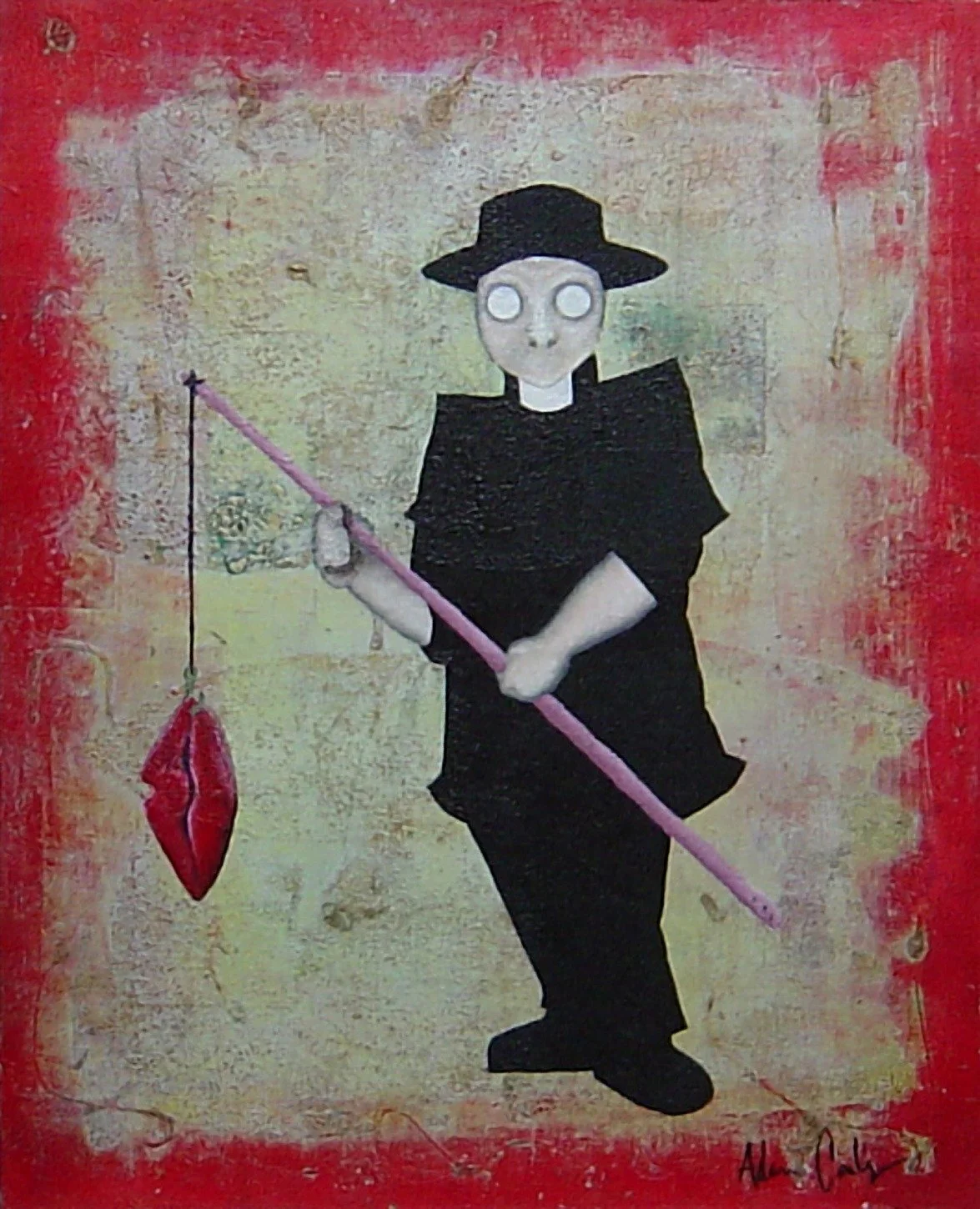
The paintings that lined the walls, Primadonna, Muerta, Look What I Caught When I Went Fishing, Bipolar: Disordered Woman, Cockadoodle Surprise, carried the bold black lines and vivid color that had become Cooley's visual language. Built up through heavy impasto and carving, their surfaces demanded the kind of close attention that touch makes possible in ways that sight alone does not. They were works conceived for the full range of human perception, and they rewarded it.
In its first week Anella welcomed hundreds of visitors. National media coverage followed, and with it a wider conversation about accessibility in Japanese cultural institutions that the exhibition had helped to open. Cooley had found, on arriving in Japan, that public awareness of organisations for the blind and visually impaired was far lower than he had encountered elsewhere. "I cannot imagine what it would be like if I could not see," he told the Daily Yomiuri. "If I couldn't see, my life would be very different." The exhibition was, among other things, an act of imagination on behalf of everyone for whom the conventional gallery visit had always been an incomplete experience.
Presented on the top floor of Maronie Gallery in Kyoto, Anella was Cooley's first major solo exhibition in Japan. What it announced was not simply an artist but a way of thinking about what art is for, and who it belongs to, that would continue to inform his practice across everything that followed.