Boro Land: Floating Worlds
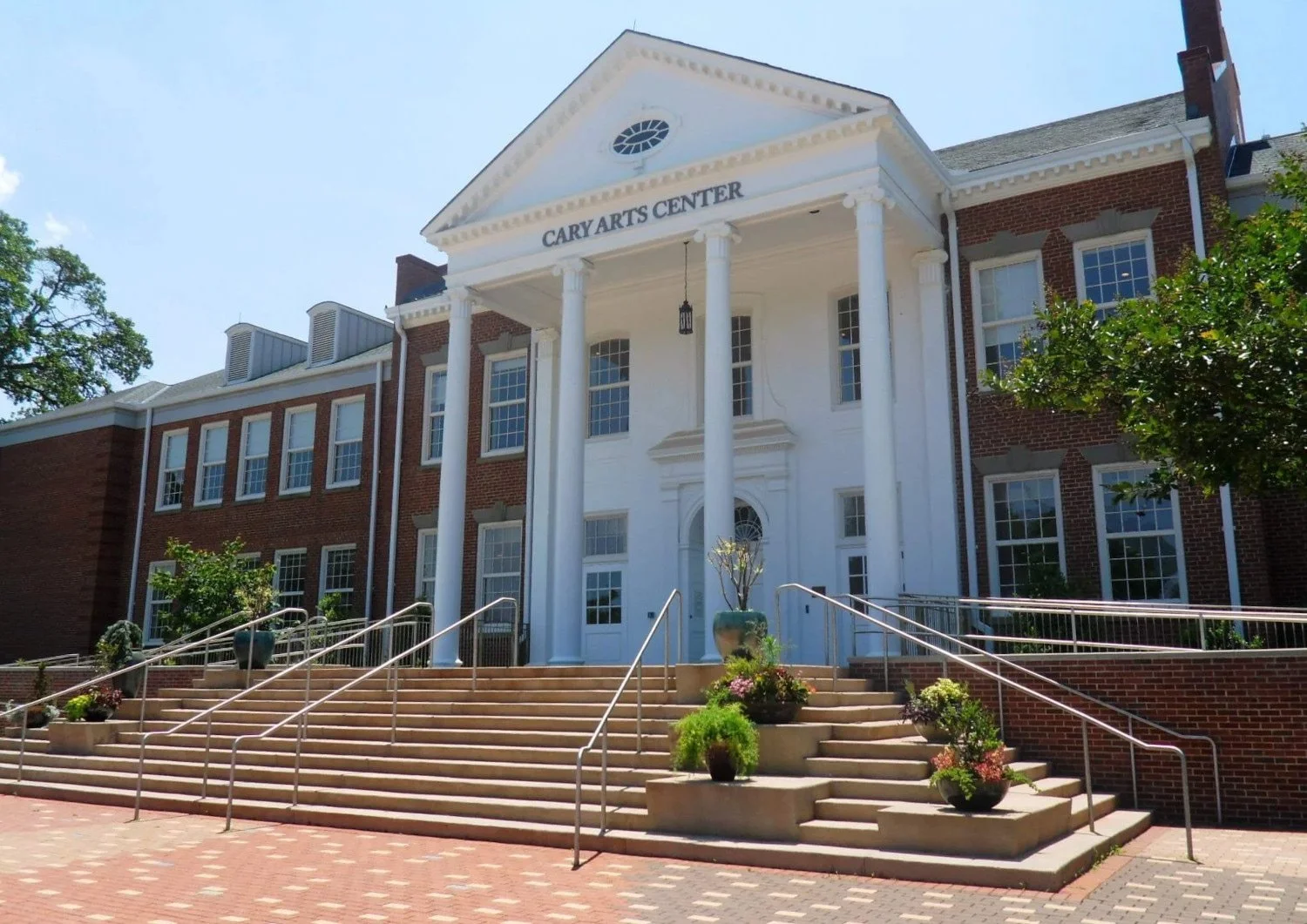
Cary Art Center
Cary, North Carolina
June 17 - August 23, 2026
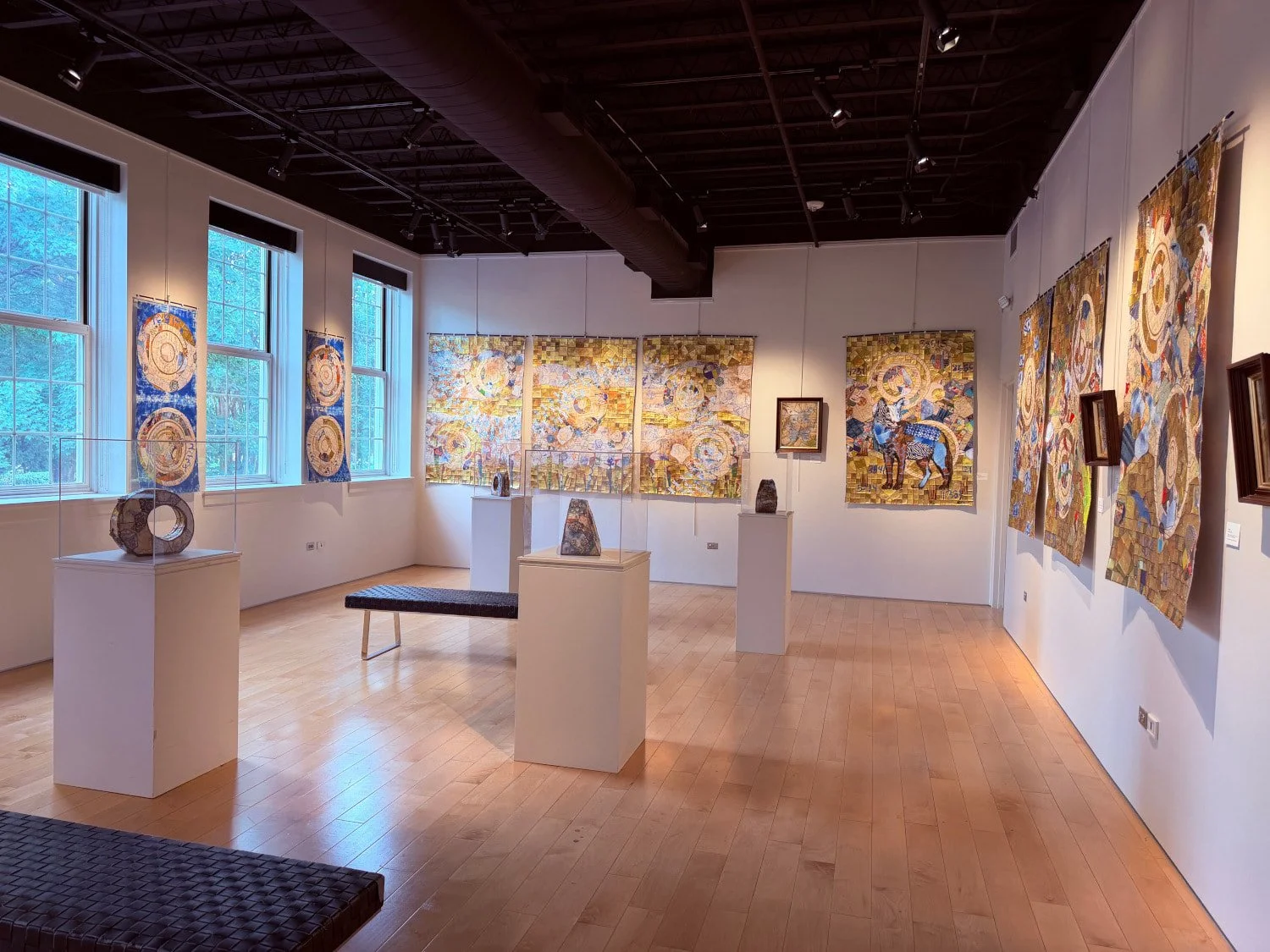
Boro Land: Floating Worlds is the newest chapter of an evolving world. Boro Land takes from this world in the form of the unused and discarded, the overlooked and the worn out, and remakes them into something entirely its own. Each iteration of the series grows from the last, incorporating new materials, new processes and new histories into a body of work that has been building since its first presentations in Japan. It accumulates layers the way the work itself accumulates material, one piece at a time, nothing wasted, everything transformed.
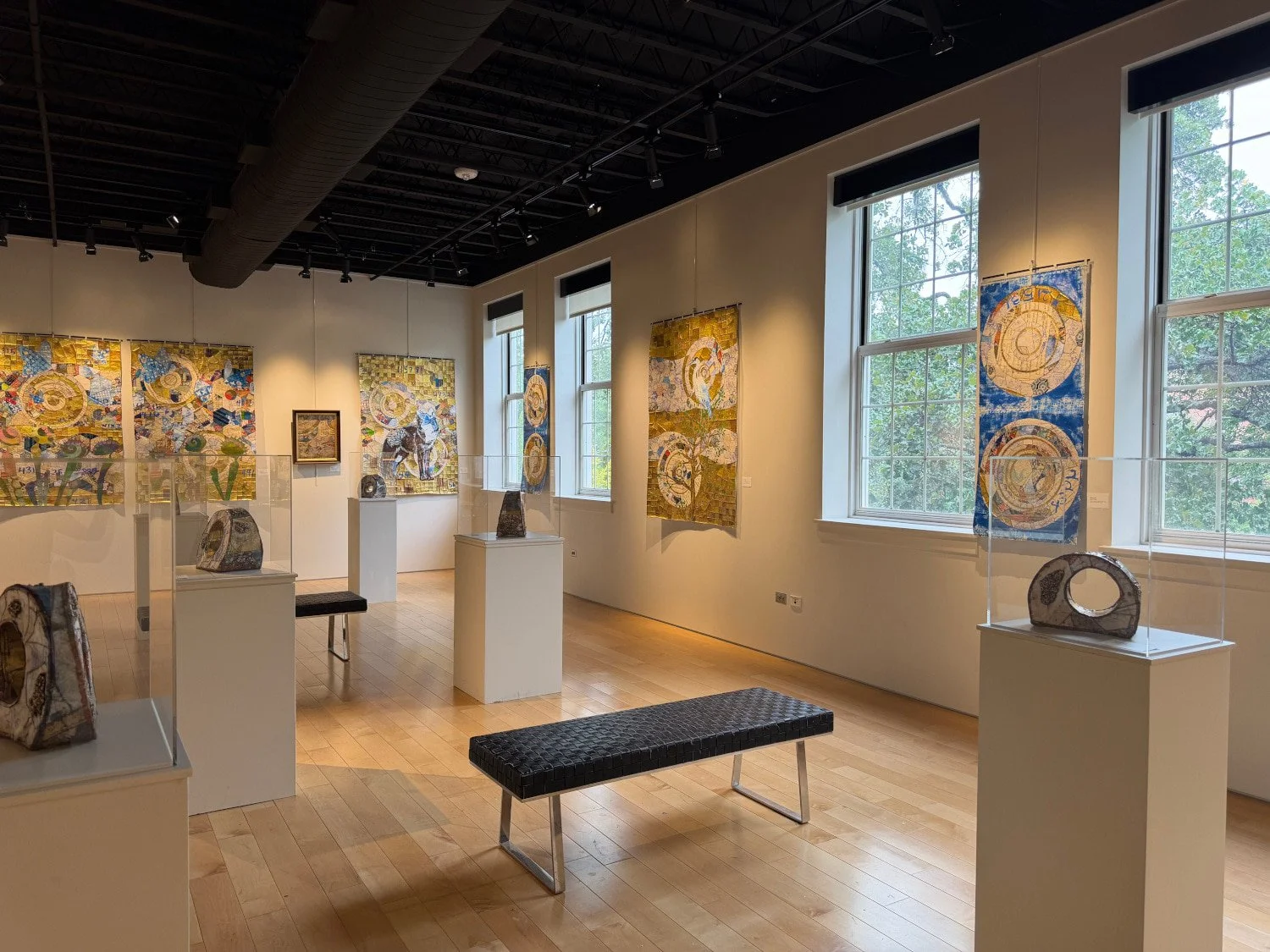
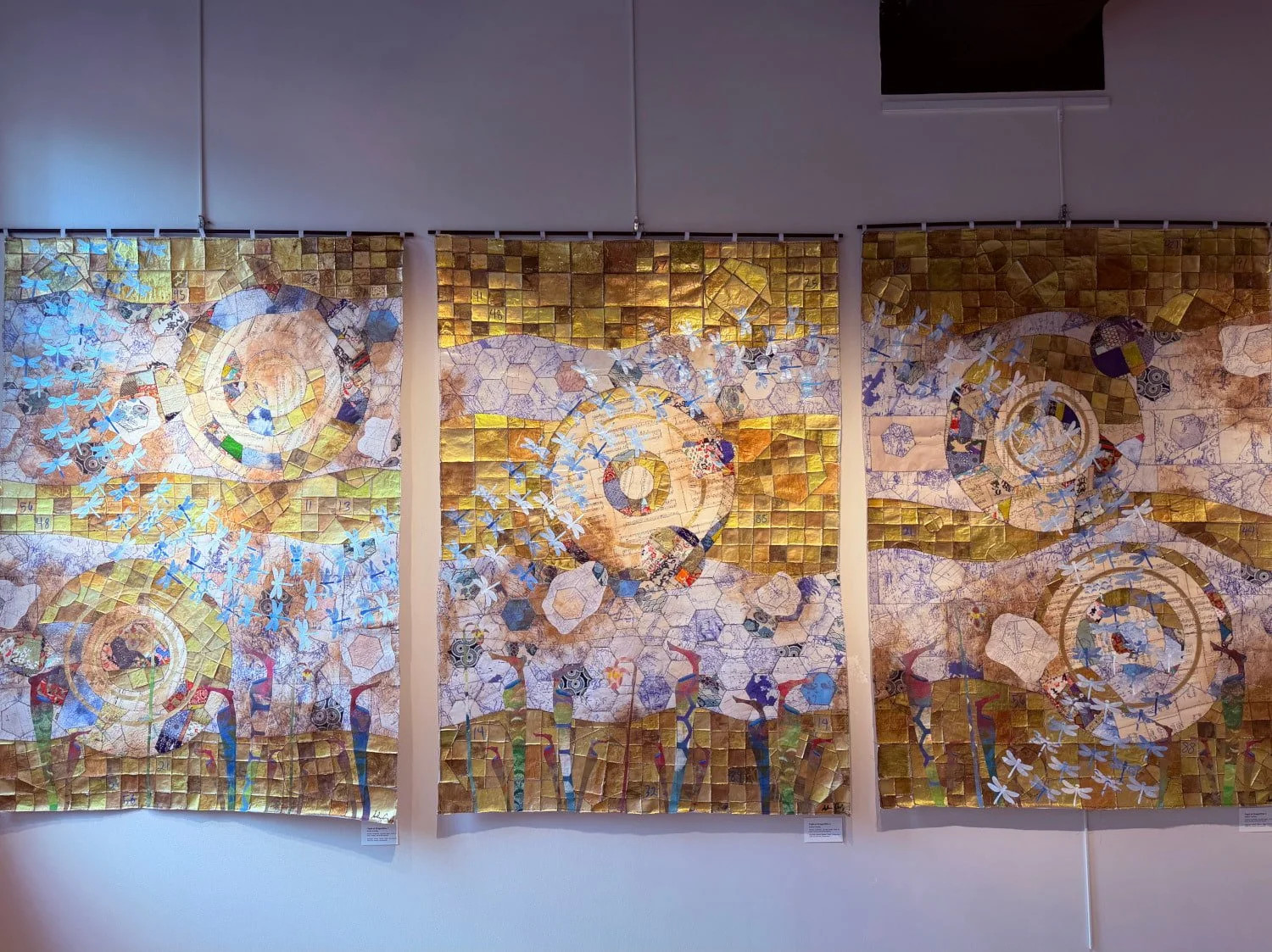
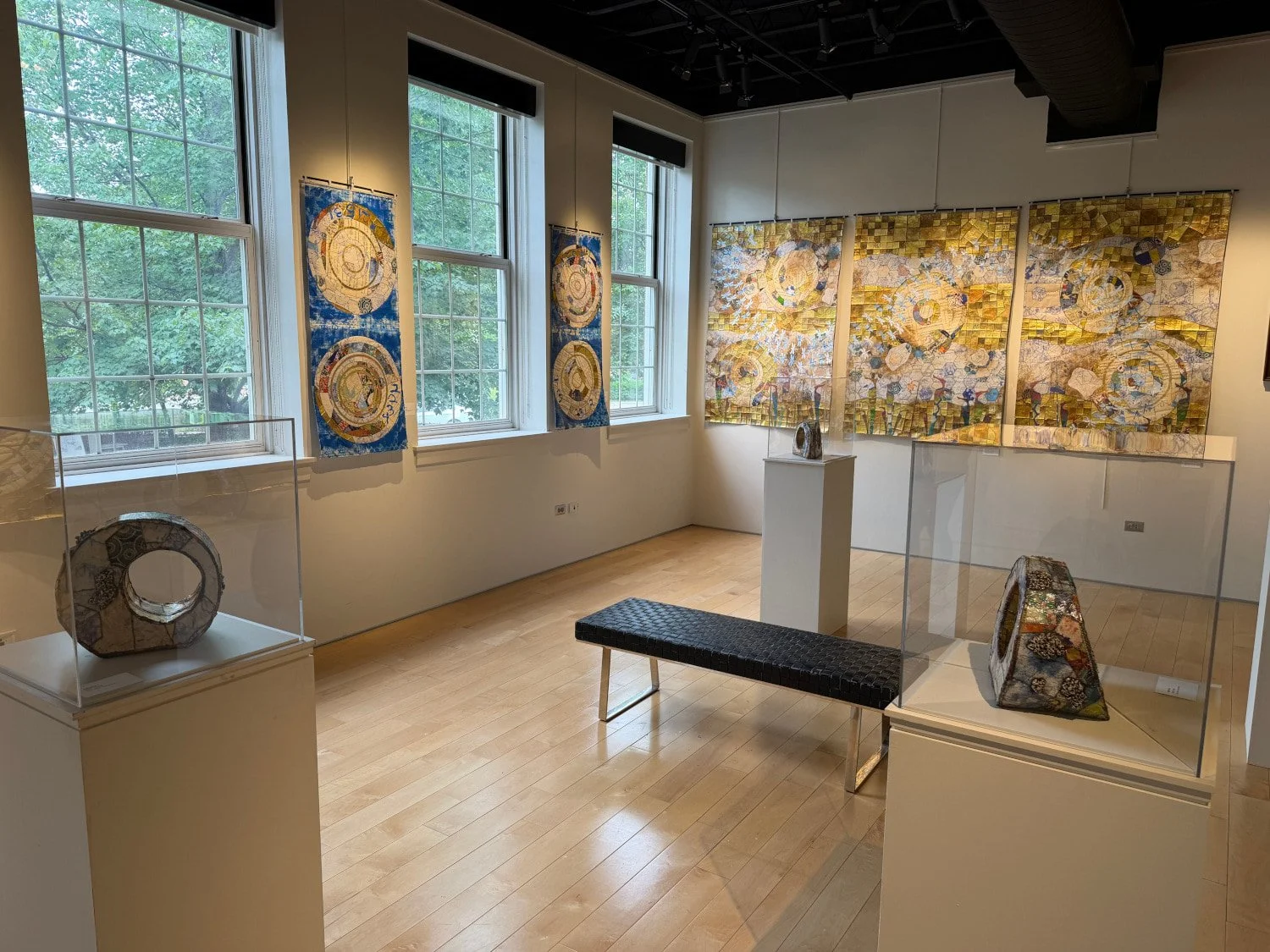
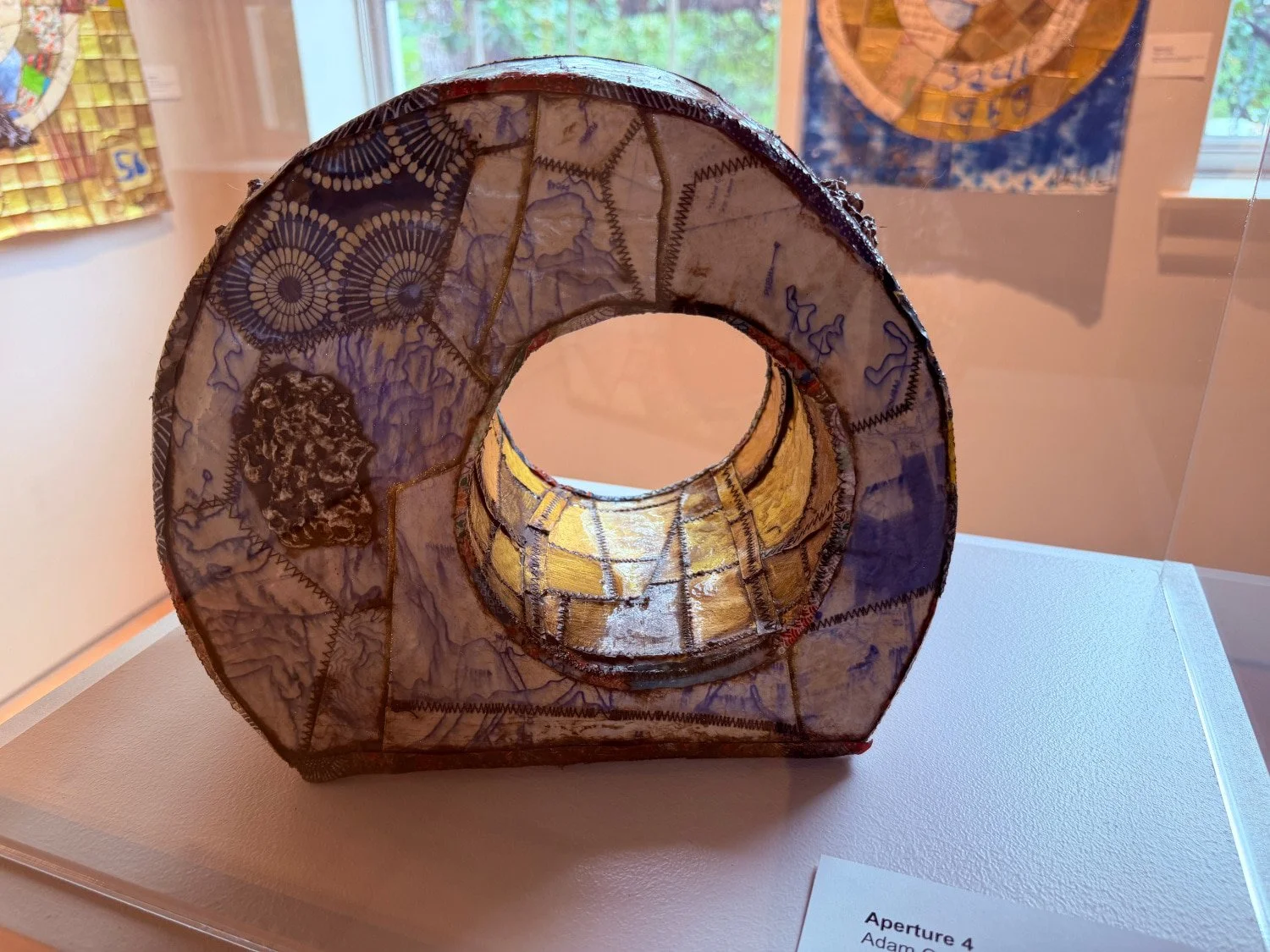
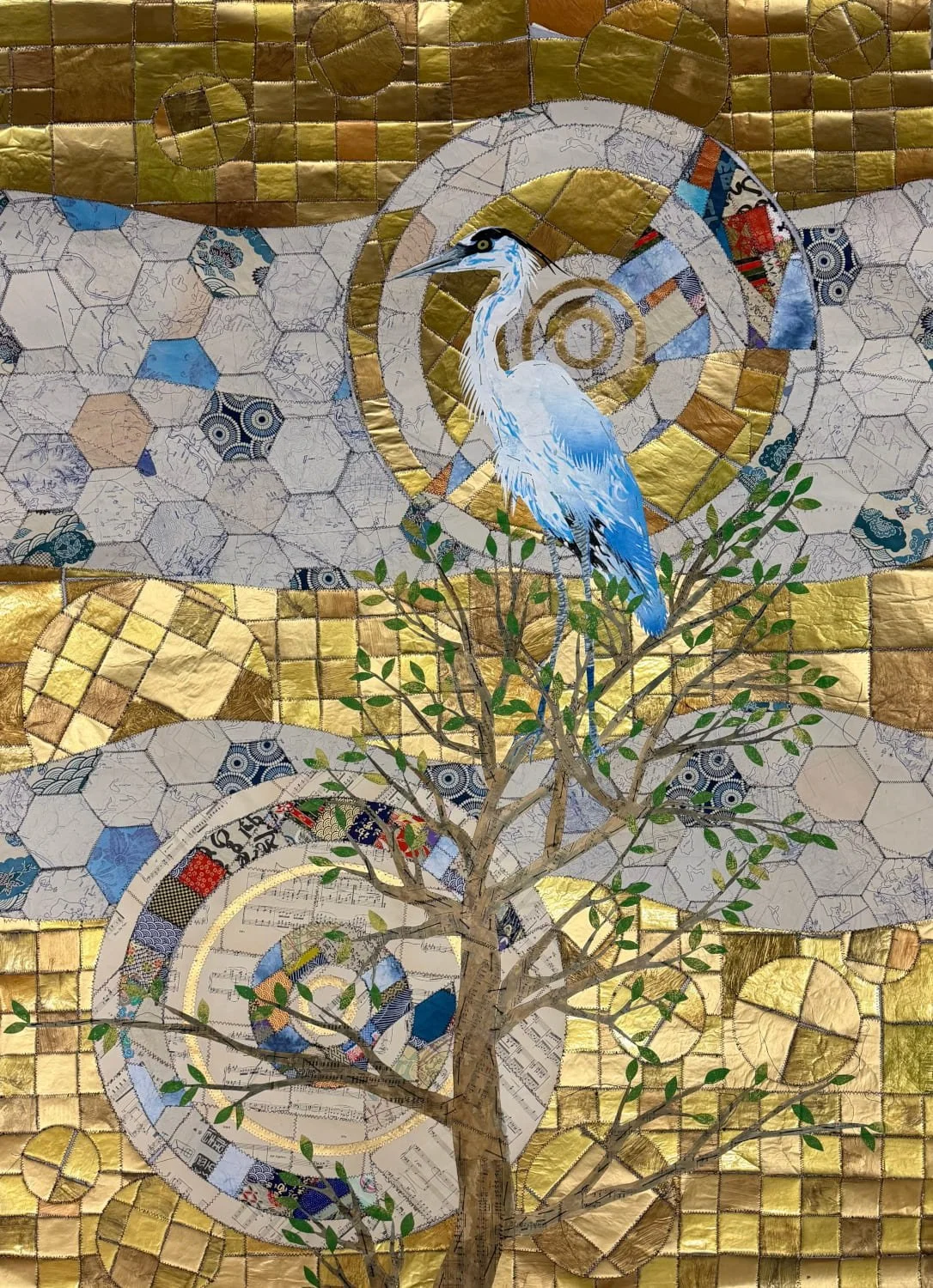
The Cary Arts Center presentation marks a significant new development in the series. For the first time, paper enters Boro Land as a primary material, fused to fabric, layered, painted and stitched into surfaces that shimmer between the tactile and the ethereal. Cooley sourced an extraordinary range of reclaimed documents to build these works, among them survey maps of the North Carolina Triangle drawn by the Bureau of Land Management, antique and vintage Japanese papers, vintage cartographic records, and found and reclaimed textiles. Each one keeps its original markings, its text and its imagery intact, so the history written into the material stays legible inside the finished work. More than ten additional miles of thread bind these new pieces, bringing the cumulative thread count across the full Boro Land series to over forty miles. It is a strange kind of measurement, but it says something true about how much devotion the act of mending can hold.
The subject of these new works is North Carolina itself. For the first time in the series, the natural world enters directly. The flora and fauna of the Piedmont, the longleaf pine forests, the wetlands and the coastal plain appear here in fantastical form, built from the same fused paper and reclaimed fabric as everything else in Boro Land. The painted bunting, the eastern box turtle and the Venus flytrap are among the creatures and plants that rarely find their way into the canon of fine art, yet here they're rendered with the layered, mythological intensity that has defined the series since its earliest showings, given a scale and seriousness their absence from that canon has long denied them.
There is a particular charge in using survey maps as ground for this subject. The Bureau of Land Management documents running through these works were drawn to measure, to name, to impose order on land. They were instruments of containment. Cooley submits them instead to paint, dye and thread, transforming them into something that honors what mapping so often leaves out, the life that exceeds the boundary line, the wildness that survives the act of being charted. In fusing Japanese paper into North Carolina cartography, the works extend a dialogue that has been at the center of Boro Land from the beginning, that cultures, like landscapes, grow richer for what crosses their borders, and that the most precise survey is still no match for what is actually alive on the ground it measures.
Floating Worlds arrives as the project's most direct address yet to the place it was made in. Every map stitched into these works is a map of this specific land, the Piedmont, the Triangle, the ground Cary itself sits on, and every animal and plant pictured within them is native to it. Boro Land has traveled from Kyoto and Osaka through New York and Pennsylvania, to Raleigh and now to Cary. Each location leaves something behind in the work and takes something of the work's logic forward. What stays constant is the practice at the foundation of it all: that nothing discarded is without value, that history survives in materials whether or not we choose to read it, and that the careful keeping of what others have set aside can be remade into a portrait of the place that kept it.