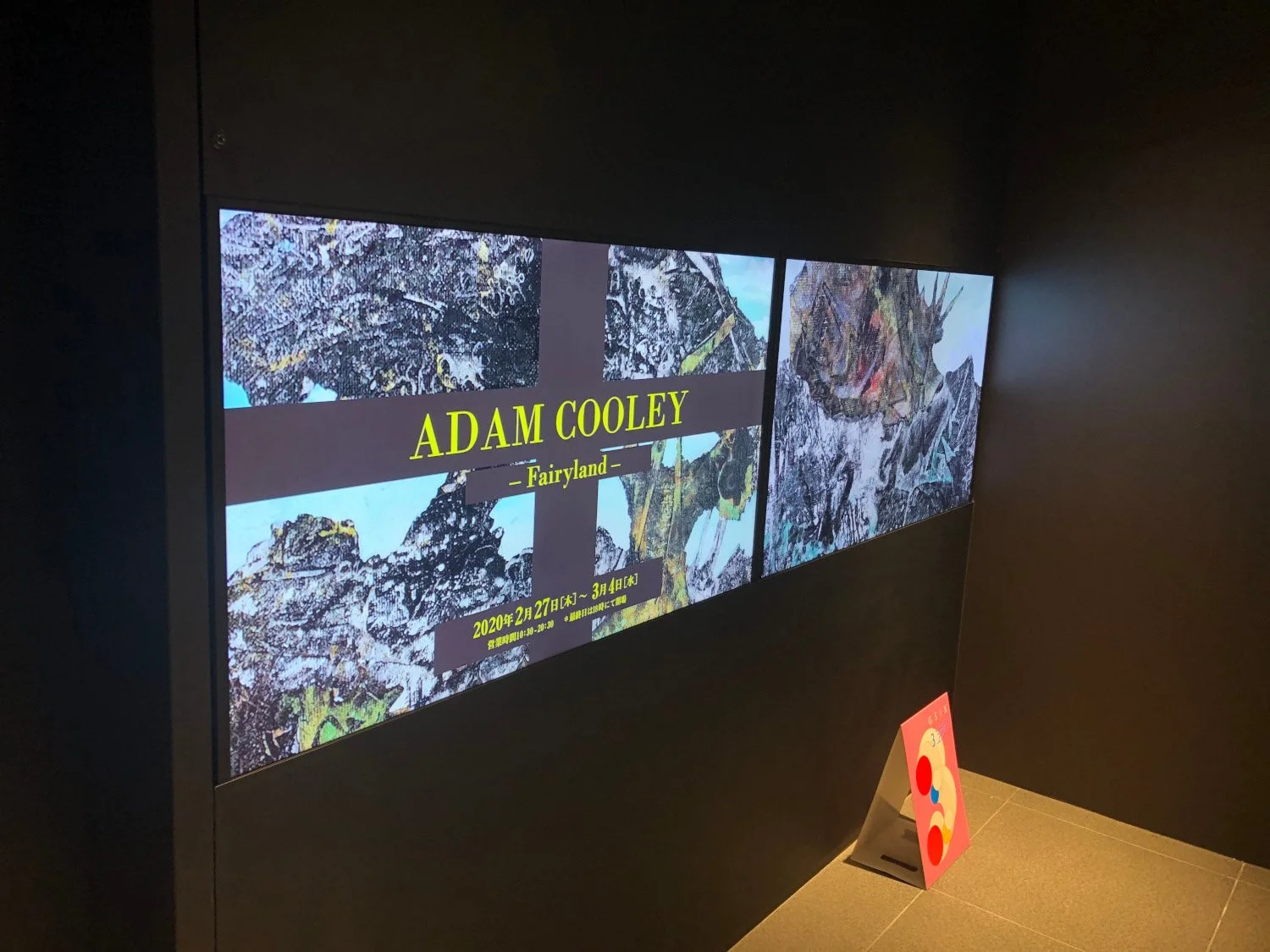
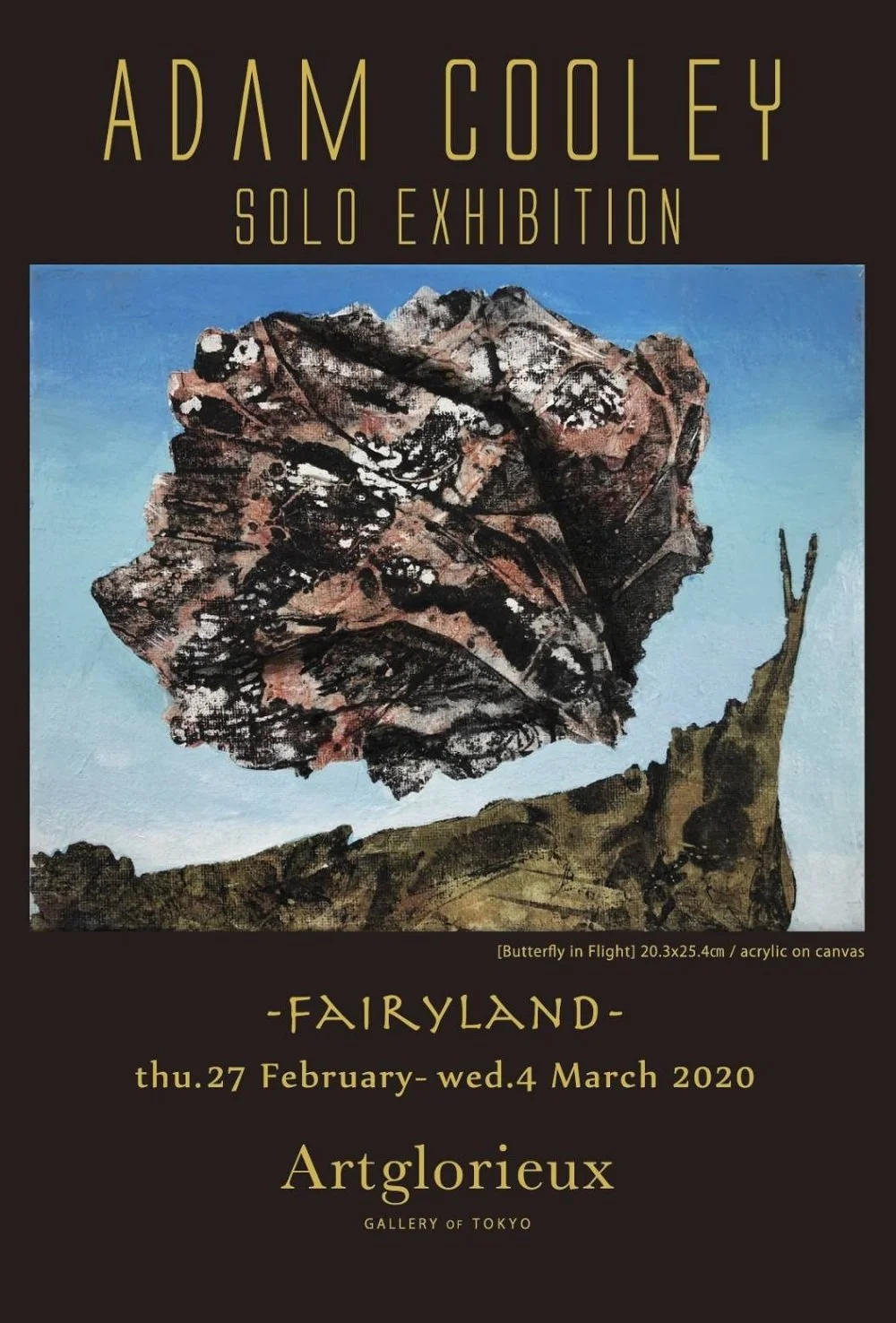
Fairyland
Artglorieux Gallery of Tokyo
Ginza, Tokyo
February 27 - March 4, 2020
Folklore does not hold still. The creatures that populate the mythologies of Ireland, of Japan, of cultures separated by oceans and centuries, share a quality that resists precise definition: they are familiar enough to be recognizable and strange enough to unsettle, inhabiting the narrow territory between the known and the unknown that produces, in the viewer, something closer to unease than fear. It is this quality, the uncanny rather than the monstrous, that runs through every painting in Fairyland.
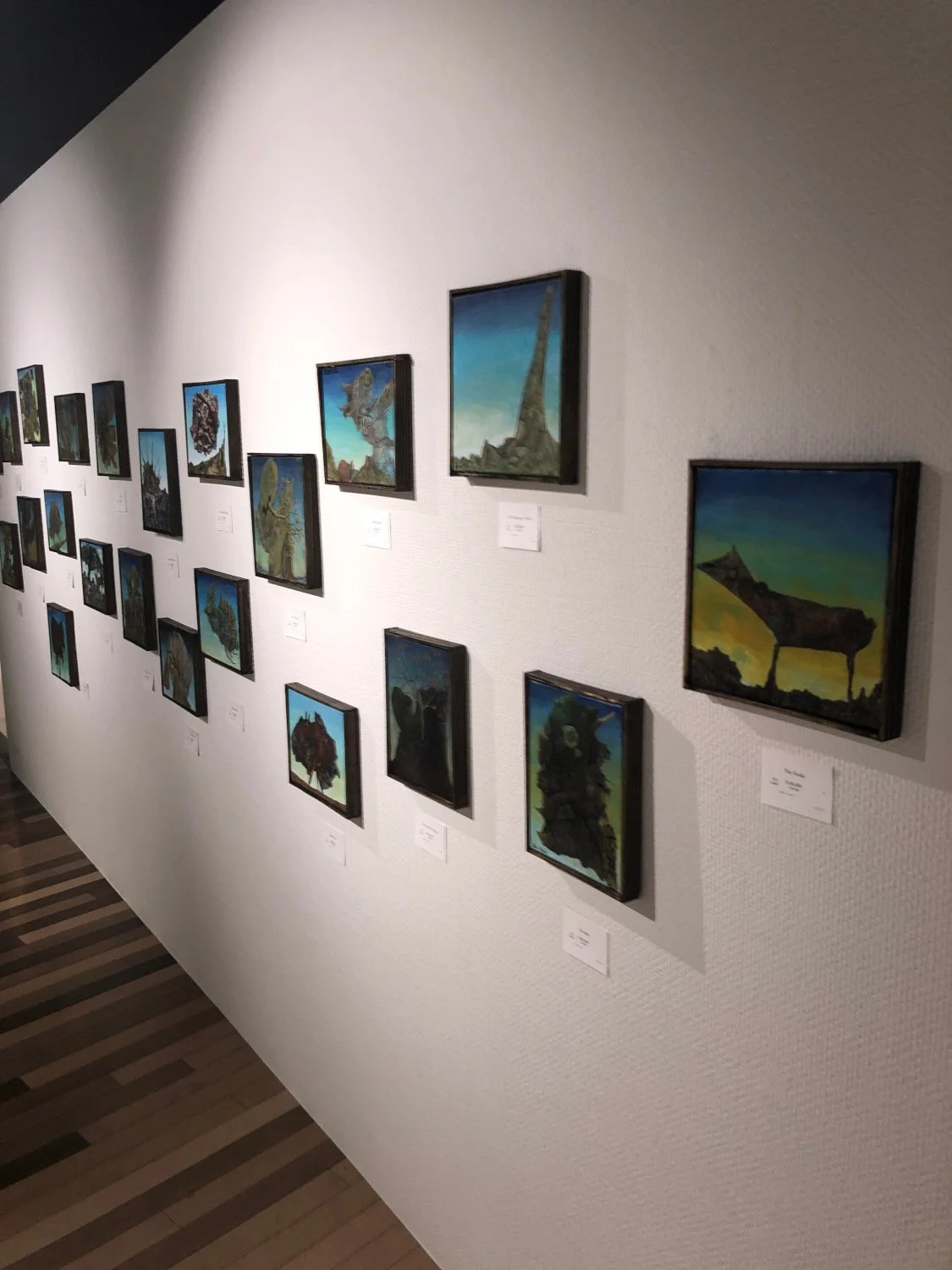
Cooley came to Irish mythology through inheritance as much as study. The figures that populate the series, the Each-Uisge, the Banshee, the Pooka, the Changeling, the March Hare, Avalon itself, are drawn from a tradition he has always carried alongside him. But the world they inhabit in these paintings is not exclusively Irish, nor exclusively anything else. It is a place where mythology is treated as it has always functioned in living cultures: as something continuously reinterpreted, remade, the new folded into the old and the familiar rendered strange again by the process. The fey are not the exclusive property of any single tradition. They surface across cultures in different forms, under different names, carrying the same essential quality: beings that appear at the edge of perception, that change form when looked at directly, that are most themselves when least defined. The result is a landscape that sits in its own uncanny valley, recognizable in parts and wholly its own in total.
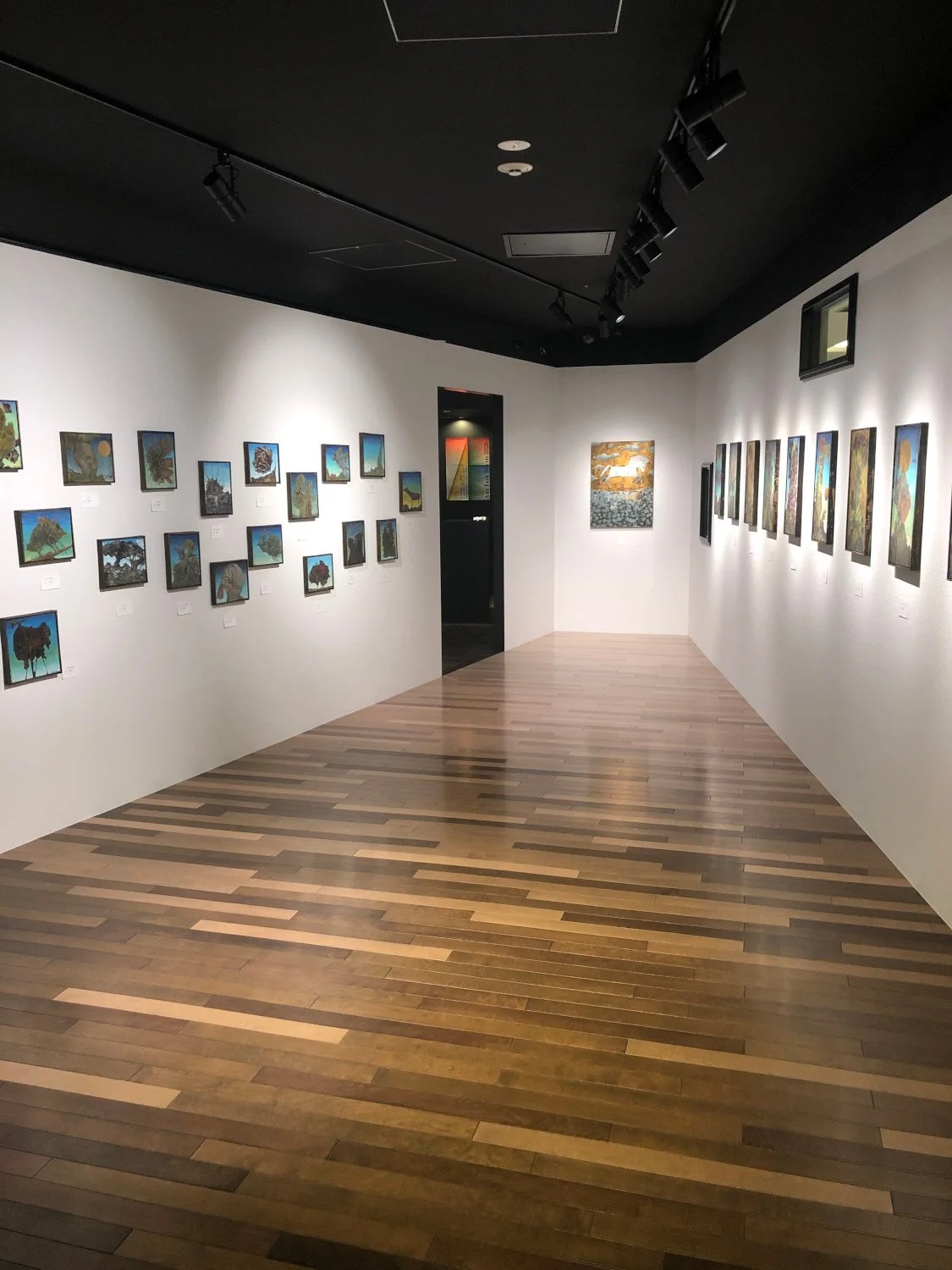
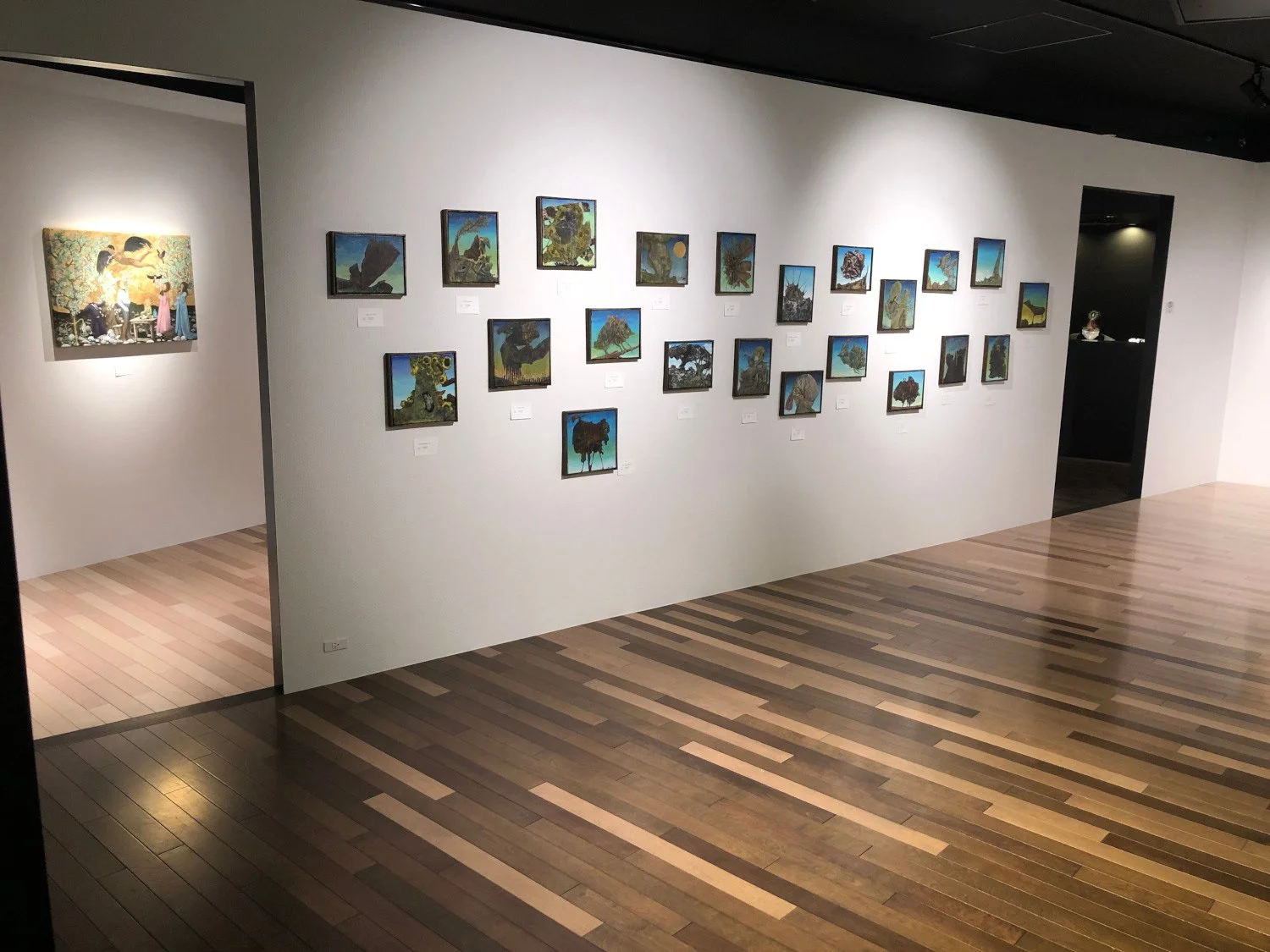
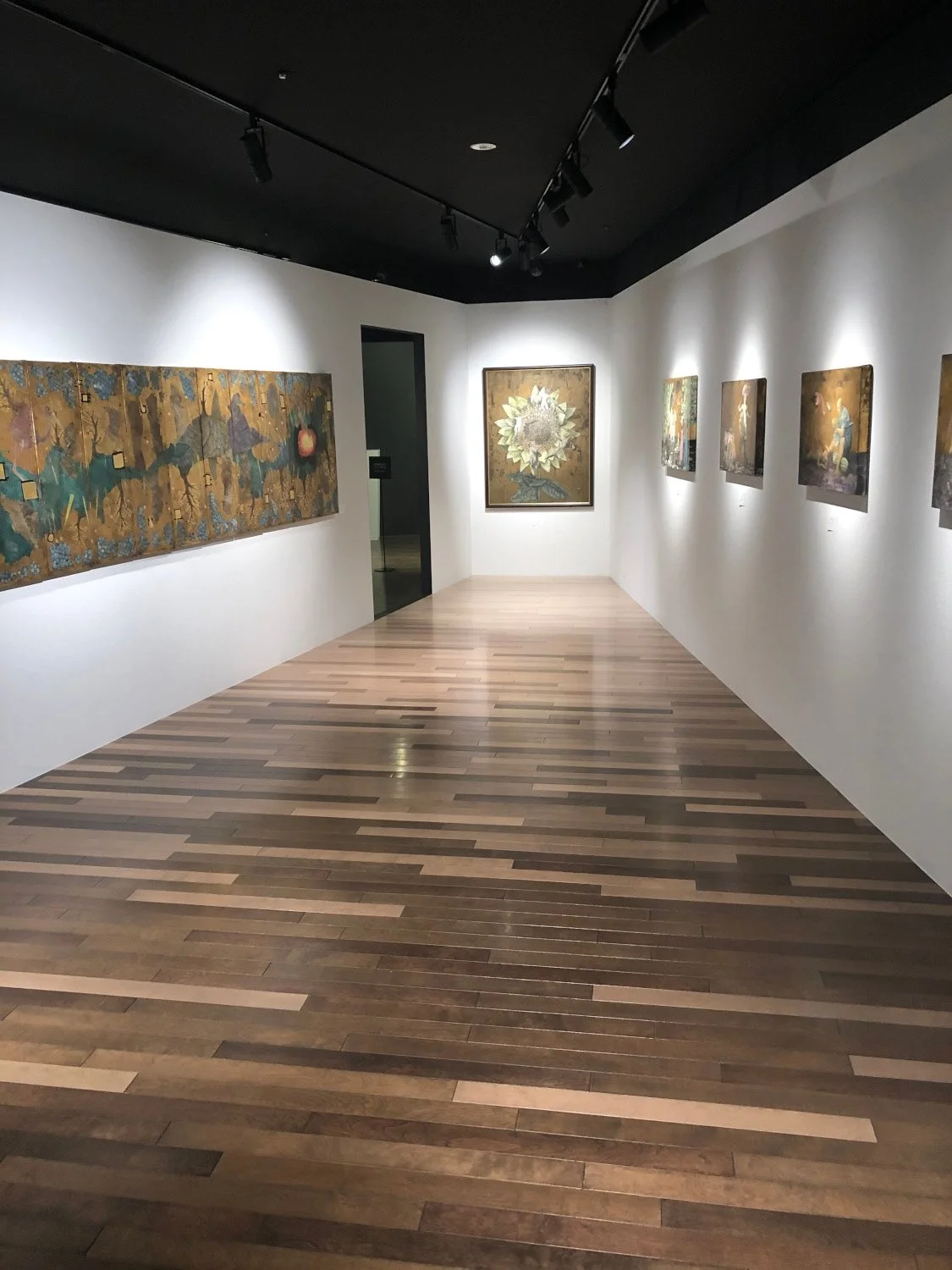
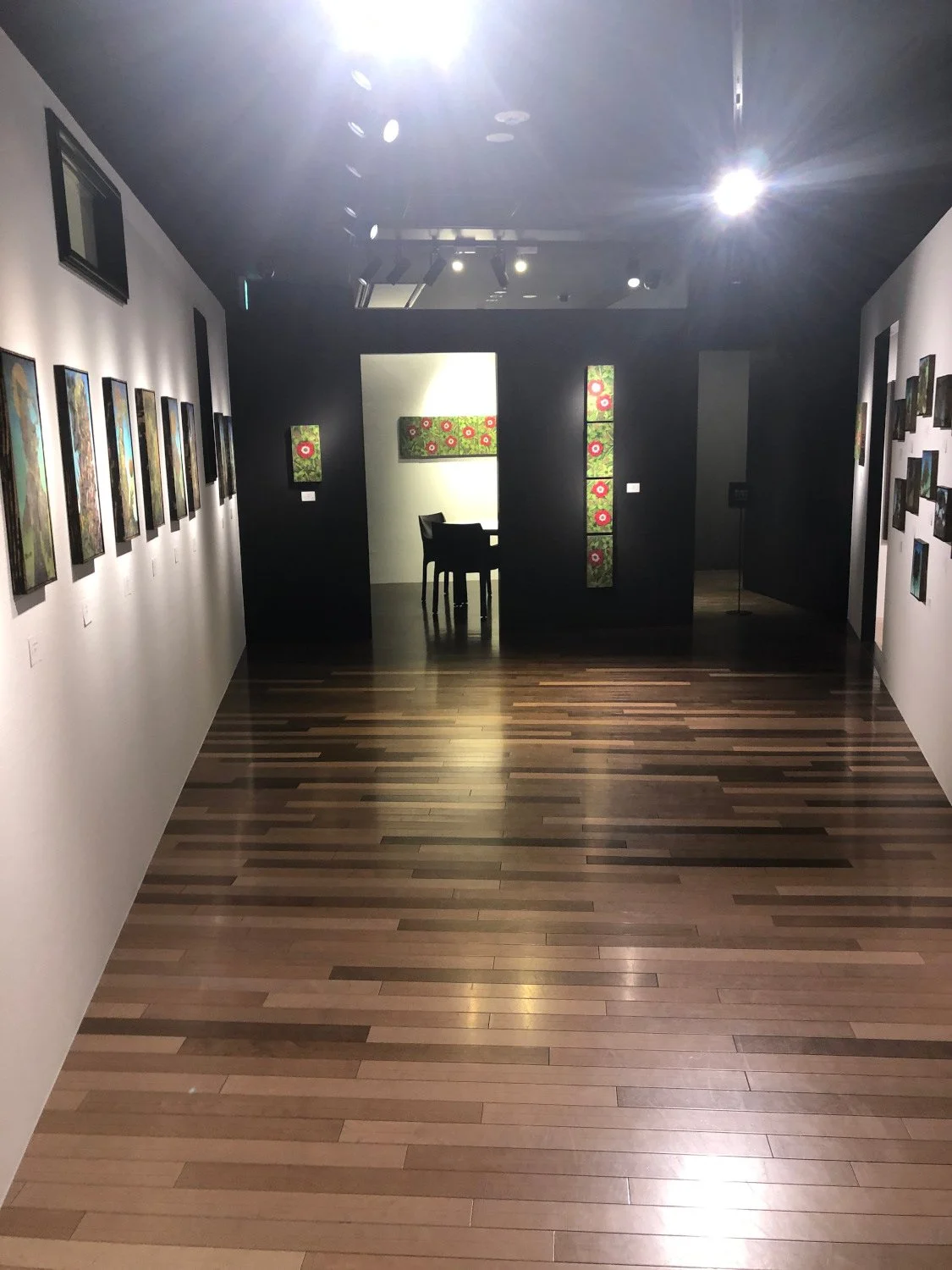
The paintings are acrylic on canvas, built through Cooley's process of sustained layering and abrasion, surfaces worked back repeatedly until depth replaces flatness and the image seems to exist within the canvas rather than on it. The blues that dominate the skies and grounds belong to no single tradition, neither the particular blue of Irish mythology nor that of any Japanese visual precedent, but something that has found its own temperature and holds it. The creatures move through landscapes that answer to no fixed geography, their settings as ambiguous as their natures. Smaller works draw the viewer into close and private encounters with individual beings; larger canvases open onto something wider and less certain, the scale shift pulling the viewer between intimacy and exposure. A monumental sunflower anchors one wall, its scale and its gold ground changing the atmosphere of the room around it, the botanical and the otherworldly occupying the same surface without either one explaining the other.
Fairyland opened at Artglorieux Gallery of Tokyo in the heart of Ginza in late February 2020, as Japan was entering what would become one of the strangest periods in its modern history. The COVID outbreak had begun to empty streets that ordinarily held millions, and the city was acquiring a quality that Cooley had always sought out deliberately in other circumstances: those hours after midnight when Tokyo or Osaka empties entirely and the familiar architecture of daily life becomes something else, a place that looks the same but feels suspended, neither fully inhabited nor fully abandoned. The people who did move through the streets in those early weeks were wrapped and masked, appearing briefly and disappearing again like figures at the edge of a dream. Japan had become, briefly and involuntarily, a liminal space, and the paintings on the gallery walls depicted a world that had always known how to inhabit exactly that kind of territory.